
Deer Damage in Northern Virginia Winters: Protecting Shrubs and Choosing Deer Resistant Plants
Deer resistant plants are the closest thing Northern Virginia homeowners have to a peace treaty with the local herd. If you have ever walked outside on a January morning to find your arborvitae trimmed into a lollipop and your azaleas chewed down to sticks, you already know the problem. Winter is when deer get hungry, bold, and remarkably unpicky, and suburban yards in Fairfax, Loudoun, and Prince William make for an easy buffet.
The short answer: no plant is truly deer proof, but you can dramatically cut deer damage by building beds around deer resistant plants such as American holly, boxwood, ferns, native grasses, hellebores, and aromatic perennials like mountain mint, while protecting the deer favorites you already own with netting, burlap, trunk guards, and rotated repellents through winter. The best long-term fix is a planting plan that gives deer nothing worth the walk, paired with physical barriers where it matters most.
Lawn Theory designs and maintains landscapes all over Northern Virginia, and deer pressure shapes almost every planting plan we write. This guide explains why winter deer damage gets so bad, how to protect shrubs right now, and our 20 best deer resistant plants for Northern Virginia yards. If you want help redesigning a bed the deer keep raiding, our landscape design and installation team does exactly that.
Key Takeaways
- Deer browse hardest from late fall through early spring, when natural food is scarce.
- No plant is deer proof. Hungry deer will try almost anything, so think in terms of deer resistant plants and layered protection.
- Native ferns, grasses, sedges, and aromatic perennials are some of the most reliable deer resistant plants in Northern Virginia.
- Some popular “deer resistant” shrubs, like Japanese barberry, nandina, and burning bush, are invasive in Virginia. Skip them.
- Physical barriers beat repellents. Netting, burlap, and trunk guards protect deer favorites through winter.
- Rotate repellents and reapply after rain or snow so deer do not get used to them.
- Bucks rub young tree trunks in fall, which can girdle and kill the tree. Trunk guards prevent it.
Why Deer Damage Gets Worse in Northern Virginia Winters
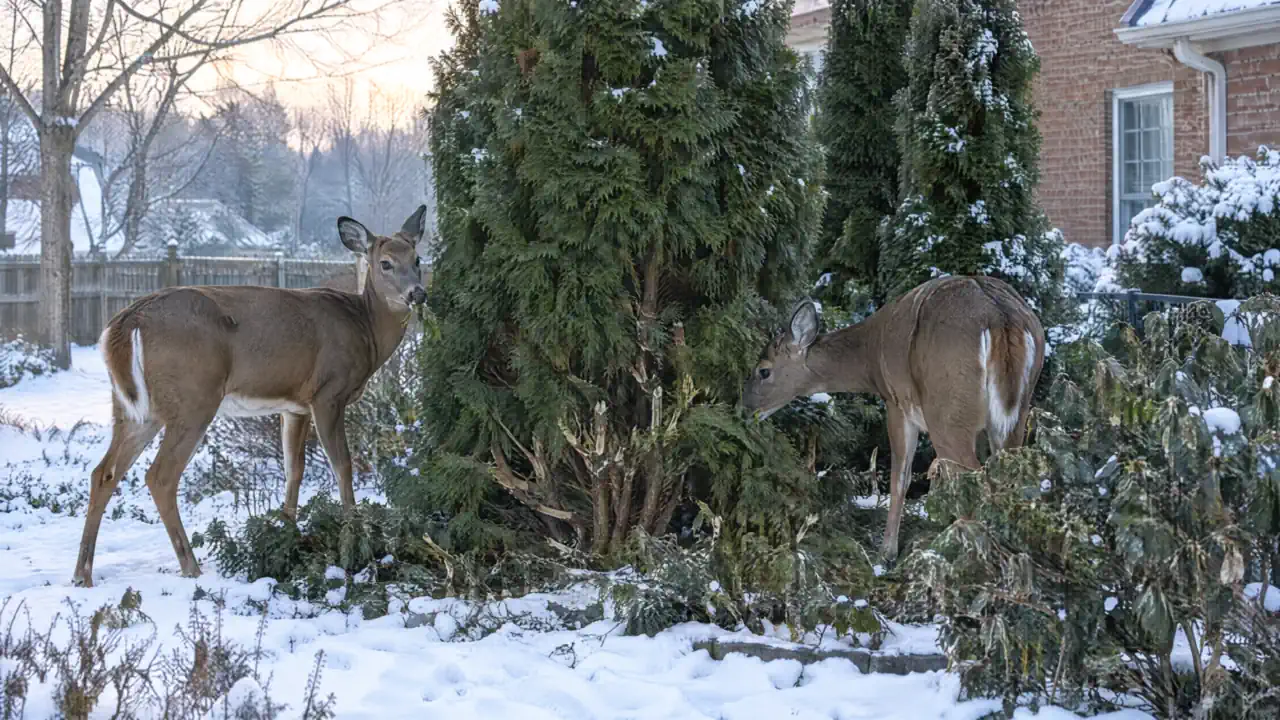
Northern Virginia is prime deer country. Wooded stream valleys, parks, and big suburban lots give deer cover and food year round, and few natural predators keep their numbers in check. Fairfax County runs a formal deer management program, including archery on more than 100 properties, largely to address deer-vehicle collisions, disease, and environmental damage. That tells you something about how many deer are out there.
In winter, the menu shrinks. Acorns run out, leaves are gone, and snow covers what is left on the ground. Your evergreen shrubs suddenly look like the only green salad for miles. That is why the same yard that looks fine in July can be stripped by February, and why choosing deer resistant plants pays off most in the cold months.
How to tell deer damage from rabbit damage
| Clue | Deer | Rabbits |
|---|---|---|
| Height of damage | Up to about 6 feet, often a clean browse line | Usually under 2 feet |
| Cut edge | Ragged and torn, because deer lack upper front teeth | Clean, sharp, angled cut |
| Trunk damage | Bark shredded by antler rubs, 1 to 4 feet off the ground | Gnawed bark close to the snow line |
| Tracks and droppings | Split-hoof tracks, pellet piles | Small paired tracks, round pellets |
Buck rubs: the fall and winter tree killer
From early fall into winter, bucks rub their antlers against young trees to mark territory. The result is shredded bark on one side of the trunk, and if the rub goes all the way around, the tree can die. Young maples, cherries, and recently planted trees are the usual victims. Simple plastic or mesh trunk guards prevent most of this damage.
How to Protect Shrubs From Deer This Winter
Before we get to deer resistant plants, let us protect the plants you already have. These are the methods that actually work, roughly in order of effectiveness.
1. Physical barriers
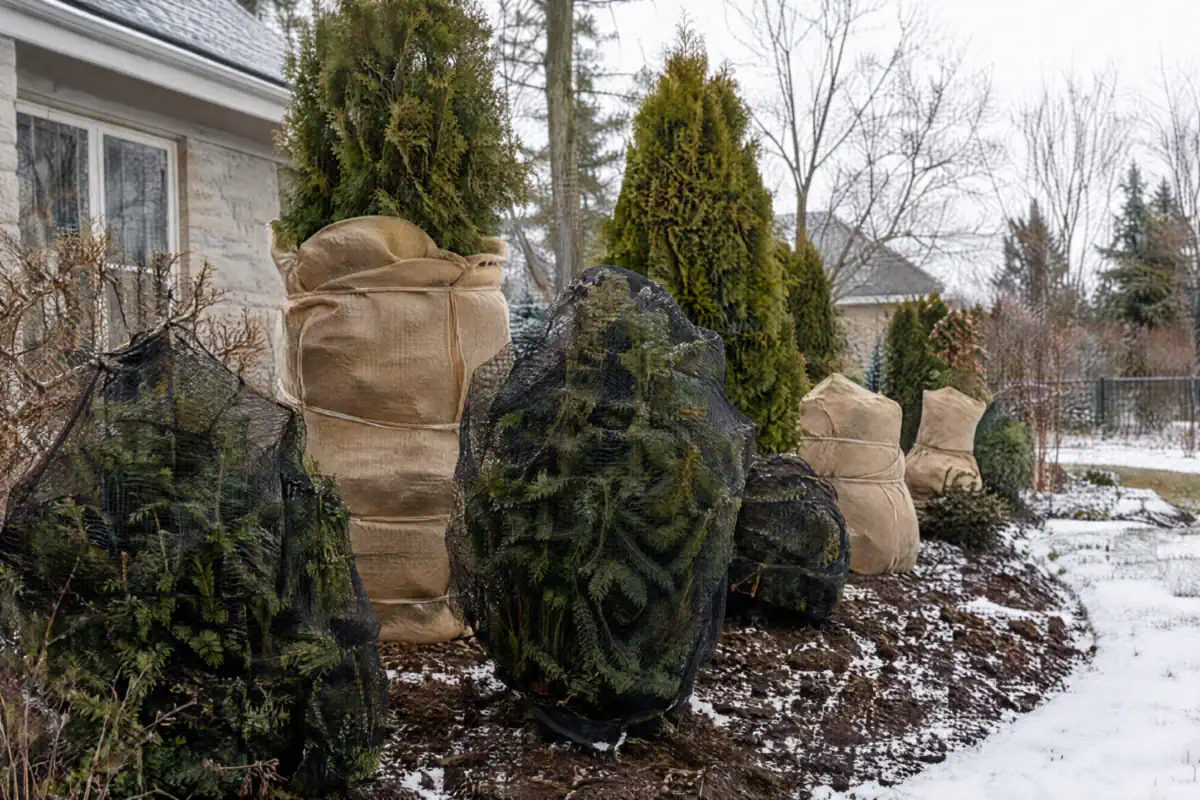
- Deer netting draped over shrubs and secured at the base. It is nearly invisible from a distance.
- Burlap wraps or screens around arborvitae, yews, and young evergreens.
- Trunk guards on young trees to stop buck rubs.
- Fencing is the most complete solution, but effective deer fencing needs to be tall, and county fence height limits and HOA rules apply. Our guides to fence installation in Northern Virginia and the permit and HOA checker help you plan.
2. Repellents, rotated
Taste and odor repellents can work well, but deer get used to them. Rotate between at least two products with different active ingredients, reapply after rain or snow, and start before deer establish a habit in your yard.
3. Smart landscaping
Put the most vulnerable plants close to the house, where activity and lighting make deer nervous, and surround them with deer resistant plants deer do not enjoy brushing through. Strongly scented perennials and prickly or leathery evergreens make a good outer ring.
4. Keep plants healthy
Healthy, well-mulched shrubs recover from browse far better than stressed ones. After the 2026 drought, many shrubs need extra care, which we covered in our drought damaged lawn recovery guide. Our tree and shrub care service starts at $199 per visit.
20 Best Deer Resistant Plants for Northern Virginia
These deer resistant plants combine reliable resistance with good performance in Northern Virginia’s clay soil and USDA Zone 7 climate. We leaned on native options from the Master Gardeners of Northern Virginia and Plant NoVA Natives, plus proven non-invasive ornamentals.
| # | Plant | Type | Light | Why it works |
|---|---|---|---|---|
| 1 | American holly | Native evergreen tree | Sun to part shade | Spiny leaves deer avoid; great screen |
| 2 | Inkberry holly | Native evergreen shrub | Sun to part shade | Boxwood alternative, tolerates wet clay |
| 3 | Eastern redcedar | Native evergreen tree | Full sun | Aromatic, tough, wildlife friendly |
| 4 | Northern bayberry | Native shrub | Sun to part shade | Aromatic foliage, handles poor soil |
| 5 | Spicebush | Native shrub | Part shade | Spicy scent, yellow fall color |
| 6 | American beautyberry | Native shrub | Sun to part shade | Purple berries birds love |
| 7 | Christmas fern | Native evergreen fern | Shade | Ferns are rarely browsed |
| 8 | Royal fern | Native fern | Shade, moist soil | Big texture for wet spots |
| 9 | Pennsylvania sedge | Native groundcover | Shade | Lawn alternative under trees |
| 10 | Little bluestem | Native grass | Full sun | Blue summer foliage, copper winter color |
| 11 | Mountain mint | Native perennial | Sun to part shade | Minty scent deer dislike, pollinator magnet |
| 12 | Golden ragwort | Native groundcover | Part shade | Early yellow flowers, spreads politely |
| 13 | Boneset | Native perennial | Sun, moist soil | Fuzzy, bitter leaves |
| 14 | Yarrow | Perennial | Full sun | Aromatic, drought tolerant |
| 15 | Boxwood | Evergreen shrub | Sun to shade | Bitter foliage; a classic hedge |
| 16 | Lenten rose (hellebore) | Evergreen perennial | Shade | Winter blooms, toxic to deer |
| 17 | Daffodils | Spring bulb | Sun to part shade | Toxic bulbs deer and rodents skip |
| 18 | Russian sage | Perennial | Full sun | Silvery, aromatic, heat tolerant |
| 19 | Catmint | Perennial | Full sun | Long bloom, strong scent |
| 20 | Lavender | Perennial | Full sun, good drainage | Aromatic; needs well-drained soil |
Deer resistant shrubs for privacy
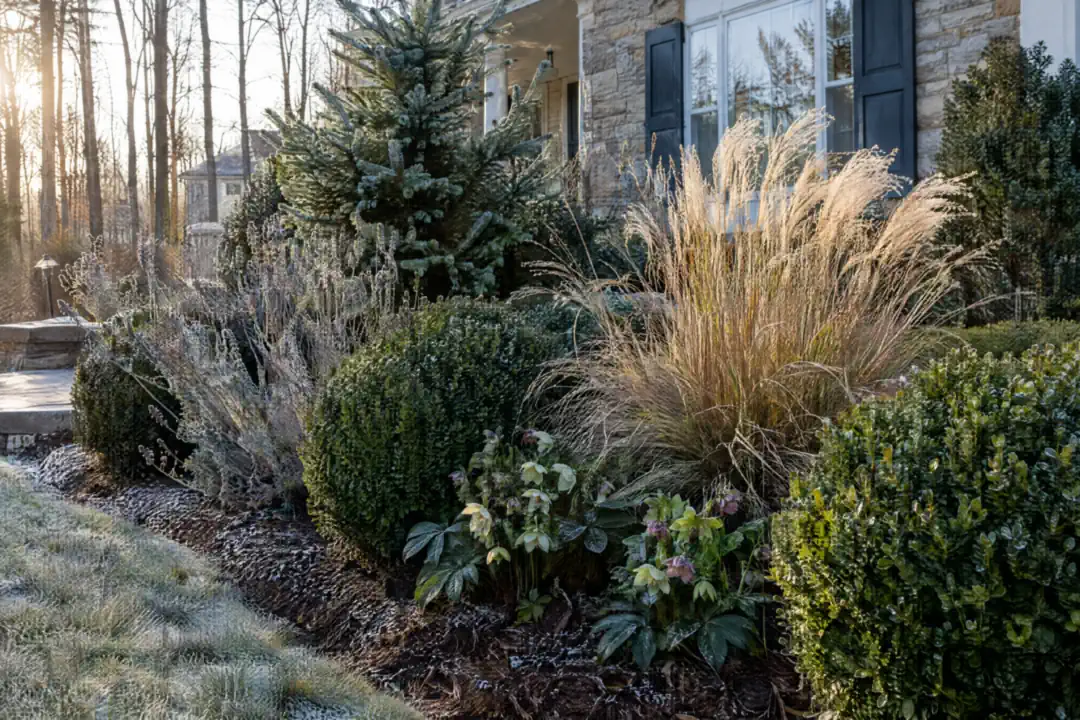
Privacy screens are where deer damage hurts most, because arborvitae, the go-to screening plant, is a deer favorite. For screens, consider American holly, Eastern redcedar, and northern bayberry, or mix in evergreen shrubs like inkberry. Layering a few different deer resistant plants also protects you if one species struggles.
Deer resistant plants for shade
Shady yards under mature oaks have great options: Christmas fern, royal fern, Pennsylvania sedge, golden ragwort, spicebush, and hellebores. Ferns, grasses, and sedges are among the plants deer avoid most consistently.
Deer resistant plants for wet clay
Low spots that stay soggy after rain are common on Northern Virginia lots. Royal fern, inkberry holly, spicebush, and boneset all tolerate wet clay, and deer generally leave them alone, which makes them reliable deer resistant plants for drainage swales and rain gardens.
Popular plants to skip, even if they are deer resistant
Some shrubs show up on nearly every deer resistant list but are invasive in Virginia and spread into parks and woods. Japanese barberry, nandina, and burning bush fall into this group. They may survive the deer, but they create a bigger problem for the region. Stick with the natives and non-invasive ornamentals above.
Deer resistant plants for full sun
Sunny front yards and slopes are where aromatic perennials shine. Mountain mint, yarrow, Russian sage, catmint, lavender, and little bluestem all thrive in full sun, handle heat, and smell or taste unpleasant to deer. Mix in northern bayberry or Eastern redcedar for evergreen structure, and you have a sunny bed that looks good in every season.
Spring bulbs deer leave alone
Tulips are basically deer dessert, but plenty of bulbs make it to bloom. Daffodils, alliums, snowdrops, and grape hyacinth are generally avoided by deer and rodents. Plant them in fall for color next spring, and tuck them among deer resistant plants so the whole bed is unappealing to browsers.
Deer Repellents Compared
Repellents are a useful layer, especially for plants you love but deer love more. Here is how the common types compare.
| Repellent type | How it works | Strengths | Weaknesses |
|---|---|---|---|
| Odor-based (egg, garlic, predator scents) | Smell signals danger or rot | Works before deer take a bite | Fades with rain and time |
| Taste-based (bitter compounds) | Makes foliage taste bad | Good on shrubs deer already target | Deer must bite first to learn |
| Systemic or long-lasting sprays | Longer residual on foliage | Fewer applications | Still needs reapplying after heavy weather |
| Motion-activated devices | Startles deer with water, light, or sound | No residue on plants | Water versions do not work in freezing weather |
The pattern that works best is simple: start early in fall, rotate two or more products, reapply after storms, and combine repellents with netting for your highest-value shrubs.
Deer damage myths
- “Deer will not eat it if it is native.” Plenty of natives are deer favorites. Choose natives that are specifically deer resistant plants.
- “One repellent lasts all winter.” Rain, snow, and deer habituation say otherwise.
- “Deer only come at night.” In quiet suburban neighborhoods, deer browse at dawn, dusk, and sometimes broad daylight.
- “A short fence will do.” Deer jump surprisingly well. Low fences work best as part of a layered plan.
Deer Candy: Plants That Get Eaten First
If deer visit your yard, these plants will be first in line. Protect them through winter or replace them over time with deer resistant plants.
- Arborvitae, especially the lower half
- Yews, which deer strip aggressively
- Azaleas and rhododendrons
- Hostas and daylilies
- Tulips, often eaten the moment they bloom
- Hydrangeas and roses
- Young fruit trees and maples, prone to buck rubs
Designing a Deer Resistant Landscape That Still Looks Great
The best deer resistant landscapes do not look like a compromise. They layer evergreen structure, native grasses, and long-blooming perennials so there is something interesting in every season. Our post on native plant landscaping in Northern Virginia shows how native beds can look polished, and front yard landscaping in Northern Virginia covers curb appeal basics.
Timing your new plantings
Fall and early spring are the best times to plant shrubs and perennials in Northern Virginia. Our guide to fall planting trees and shrubs covers planting depth and the root flare, and fresh mulch protects new roots through winter. Lawn Theory’s mulching and bed maintenance service keeps beds tidy, and the mulch calculator tells you how much you need.
What a redesign costs
Lawn Theory’s professional landscape design starts at $2,500 for the design itself, with full design-and-install projects starting at $9,500, depending on scope. Many homeowners start with the bed that gets hit hardest and phase in the rest over a few seasons.
Your Winter Deer Protection Checklist
| When | Task |
|---|---|
| Early November | Install trunk guards on young trees; wrap or net arborvitae and yews |
| November to December | Start repellents before deer form habits; rotate products |
| After every storm | Reapply repellents and check that netting is secure |
| January to February | Inspect for browse and rubs; note which beds need replanting |
| March to April | Remove winter wraps; plant deer resistant plants in damaged areas |
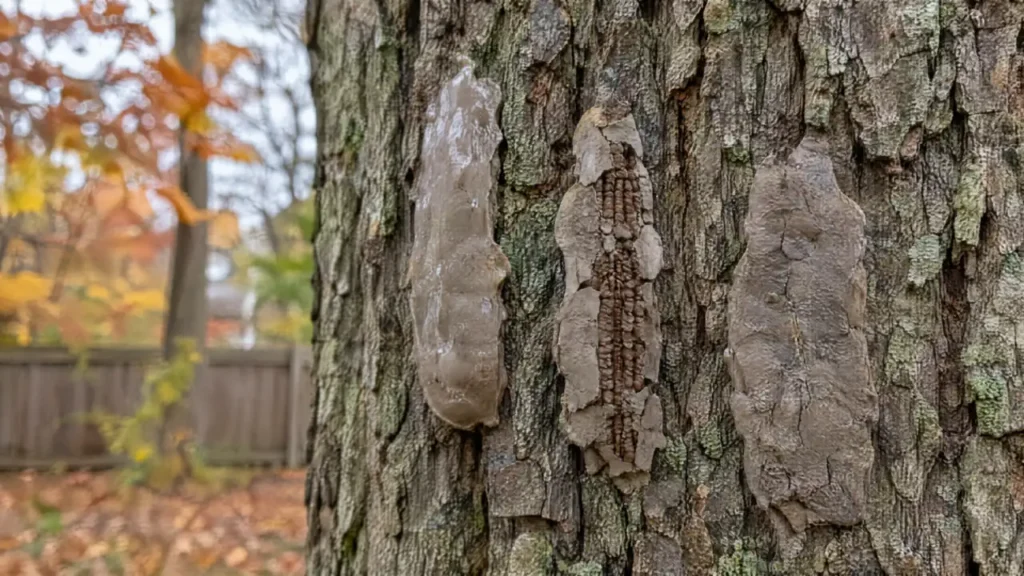
While you are checking shrubs, look for gray spotted lanternfly egg masses on trunks and scrape them off, and if the lawn is not tucked in yet, see our guide to the last mow of the season.
Frequently Asked Questions
What plants will deer not eat in Virginia?
No plant is completely deer proof, but deer rarely eat ferns, native grasses and sedges, American holly, boxwood, hellebores, daffodils, and aromatic perennials like mountain mint, catmint, Russian sage, and lavender. These are some of the most reliable deer resistant plants for Northern Virginia.
What is the best deer resistant shrub for privacy in Northern Virginia?
American holly and Eastern redcedar are strong native choices, and northern bayberry and inkberry work well as lower layers. Avoid relying on arborvitae alone, since deer love it.
When do deer cause the most damage in Northern Virginia?
Deer damage peaks from late fall through early spring, when natural food is scarce and snow covers the ground. Buck rubs on young trees are most common in fall.
Do deer repellents really work?
They can, especially when applied before deer form a habit and rotated between products with different ingredients. Reapply after rain or snow. Physical barriers like netting and trunk guards are more reliable for high-value plants.
Are boxwoods deer resistant?
Yes. Boxwood is one of the most deer resistant shrubs in Northern Virginia because its foliage is bitter. Keep an eye on boxwood blight and choose resistant varieties when planting new shrubs.
Should I fence my whole yard to keep deer out?
A tall fence is the most complete solution, but it may run into county fence height limits and HOA rules. For most yards, a mix of deer resistant plants and targeted barriers is more practical.
Make Your Yard the One the Deer Skip
Deer resistant plants will not turn your yard into a fortress, but they will make it a lot less interesting to the herd. Protect your deer favorites through winter, swap in tougher plants over time, and design beds with layered textures and scents that deer would rather walk past.
Lawn Theory is licensed and insured, and we design deer-smart landscapes across Fairfax County, Loudoun County, and Prince William County. Get your free estimate or call (703) 650-5655, and we will send a written, line-item quote within 24 to 48 hours.
Keep Reading: Lawn Care
 Lawn Care
Closing Out the Lawn Season in Northern Virginia: Last Mow Height, Final Fertilizer, and Virginia’s Rules
The last mow of the season, the final fertilizer application, and Virginia's lawn fertilizer rules: how to close out your Northern Virginia…
 Lawn Care
Spotted Lanternfly Egg Masses in Northern Virginia: Find Them, Destroy Them, and Clean Up the Sooty Mold
Spotted lanternfly egg masses are showing up across Northern Virginia. How to find and destroy them this winter, and how to safely…
 Lawn Care
Leaf Collection in Northern Virginia: Mulch, Bag, or Set Out for Fairfax, Arlington, and Alexandria Pickup
Leaf collection in Northern Virginia for 2026: Fairfax County, Arlington, and Alexandria vacuum pickup rules, when to mulch leaves instead, and Alexandria's…
Want this handled by the crew that wrote the guide?
Licensed & insured. Free walkthroughs across Northern Virginia — quotes in 24–48 hours.
Get Your Free Estimate