
Home / Lawn Care & Landscaping / Tree & Shrub Care
Lawn Care & Landscaping
Tree & Shrub Care in Northern Virginia
Properly timed pruning, boxwood and hedge shaping, and deep-root feeding that keep your trees and ornamental shrubs healthy, dense, and beautifully shaped all year long.
The Short Answer
Professional tree and shrub care in Northern Virginia starts at $199 per visit, with the final price depending on plant size and count, or is bundled into a seasonal maintenance plan starting at $219/month for hedge shaping and health treatments. The single biggest factor in shrub health is pruning timing: spring-blooming shrubs (azalea, forsythia, lilac) should be pruned right after they finish flowering, while summer bloomers and evergreens like boxwood are best shaped in late winter to early spring before new growth begins, with light touch-ups through early summer.
- $199 /visittree & shrub care, starting at
- $219 /moseasonal plans, starting at
- Timed pruningby bloom cycle, not the calendar
- 24–48hwritten, line-item quote
Complete tree & shrub health, on the right schedule
We time every cut and every feeding to your specific plants — not a one-size-fits-all calendar — so your boxwoods stay dense, your flowering shrubs bloom on schedule, and your trees stay structurally sound for decades.
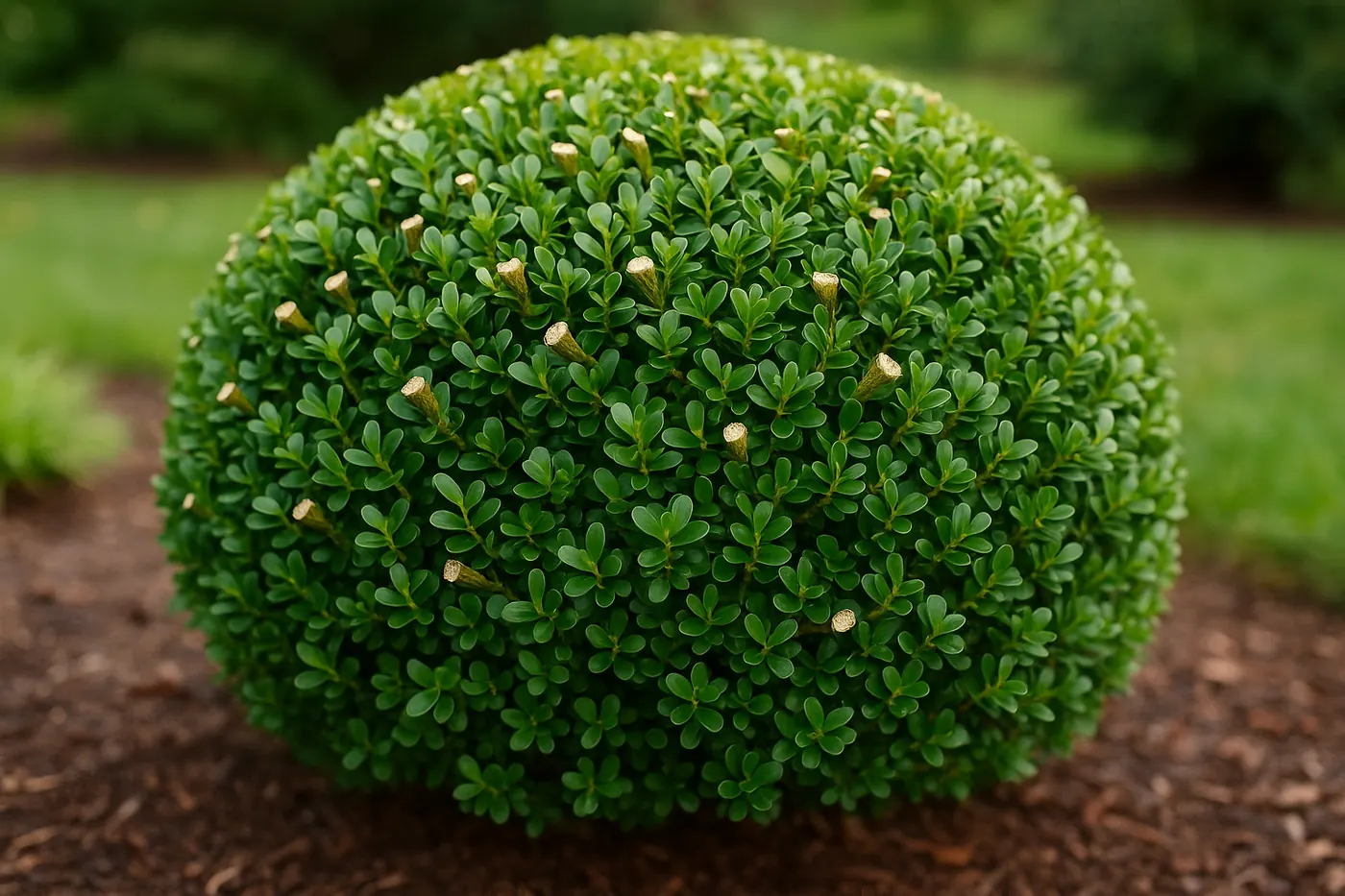
- Boxwood & hedge shaping — clean geometric lines, timed to avoid stress and frost damage
- Spring-bloomer pruning — azalea, forsythia & lilac cut right after flowering, never before
- Deep-root watering & feeding — slow-release fertilizer injected 6-12 inches into the root zone
- Tree health inspections — early detection of pests, disease, and structural risk
- Dead & damaged wood removal — improves airflow and prevents disease spread
- Mulch ring maintenance — proper depth and clearance from trunks and stems
Investment
Tree & shrub care plans
Choose seasonal visits or an ongoing plan — every option includes correct-timing pruning and a certified technician who knows your plants.
Seasonal Shape-Up
One-time shaping visit for boxwood, hedges & ornamental shrubs.
Quarterly Care Plan
4 visits/year timed to bloom cycles, plus deep-root feeding twice yearly.
Full Property Program
Unlimited shrub beds, tree health monitoring & priority scheduling.
Why Lawn Theory
Trained eyes, timed correctly
Local NoVA Expertise
We know which shrubs bloom on old wood vs. new wood in Fairfax County's climate zone — and prune accordingly.
Craftsmanship
Clean, precise cuts with sharpened hand shears — not hedge trimmers that shred and stress plant tissue.
Licensed & Insured
Fully licensed and insured for every property, every visit, with no surprises.
Responsive Support
Written quotes within 24-48 hours and a real person who answers when you call.

Clay soil, humid summers, and the right pruning calendar
NoVA's dense clay soil and humid summers create specific challenges for ornamental shrubs and mature trees. We build every visit around your property's actual conditions.
- Boxwood shaping window: late-winter/early-spring hard shaping, light touch-ups every 6-8 weeks through early summer, never in late summer or fall.
- Spring vs. summer bloomers: we prune azaleas and forsythia right after flowering; crape myrtle and hydrangea paniculata get late-winter cuts instead.
- Deep-root watering: slow-release liquid feed injected through the root zone, especially critical for trees planted in NoVA's compacted clay.
Service Area
Proudly serving Northern Virginia
Tree and shrub care across Fairfax County and beyond.
How We Work
From Walkthrough to Wow, in Three Steps

Consultation
Walk your property with a real expert. Straight answers and a custom assessment, free.

Proposal
A line-item plan with firm pricing. No surprises, no upsells, no pressure.

Implementation
A disciplined crew executes on schedule — and we don't call it done until you do.
Testimonials
What NoVA homeowners say
"Our boxwoods had gotten leggy and yellow inside. Lawn Theory shaped them properly and explained the timing so they'd actually bloom back full. Huge difference by early summer."
"They knew exactly when to cut our azaleas so we didn't lose next year's flowers — something the last company never got right. Trees look healthier too after the root feeding."
"Professional, on time, and our hedge lines are finally crisp and even. The quarterly plan takes it completely off my plate."
Pairs Well With
Complete your outdoor care
FAQ
Tree & shrub care questions, answered
When is the best time to prune boxwoods?
Late winter to early spring, just before new growth emerges, is the ideal window for hard shaping or major reshaping of boxwoods. Light touch-up trims can continue every 6-8 weeks through early summer. Avoid pruning boxwood in late summer or fall — new growth won't harden off before frost and will die back.
How do I know if my shrub is a spring bloomer or summer bloomer?
Spring bloomers like azalea, forsythia, and lilac flower on "old wood" grown the previous year — prune them within a few weeks after they finish flowering, or you'll cut off next year's buds. Summer bloomers like crape myrtle, butterfly bush, and hydrangea paniculata flower on new growth — prune those in late winter before the growing season starts.
What does deep-root watering actually do for my trees?
Deep-root watering and feeding injects slow-release liquid fertilizer 6-12 inches into the root zone, well below the surface where most nutrients are lost to runoff or shallow roots. This is especially valuable in Northern Virginia's compacted clay soils, where surface-applied fertilizer often can't reach tree roots effectively. Deep-root feeding starts at $199 per visit — final price depends on tree size and count.
How much does professional tree and shrub care cost in Northern Virginia?
A single seasonal shaping visit starts at $199 — final price depends on the number and size of shrubs. Ongoing quarterly care plans that bundle pruning, deep-root feeding, and health monitoring start at $219 per month. Larger or full-property programs with tree health monitoring run higher.
How often should hedges and boxwoods be trimmed?
Most formal hedges and boxwoods hold their shape best with 3-4 shapings per year: a hard shape in late winter/early spring, and light maintenance trims every 6-8 weeks through the growing season. Informal or slower-growing shrubs may only need 1-2 visits annually.
Can over-pruning or wrong-season pruning damage my shrubs?
Yes. Pruning at the wrong time can remove next year's flower buds (for spring bloomers), expose tender new growth to frost damage, or stress the plant enough to invite pests and disease. This is the single most common mistake homeowners and unlicensed crews make — timing matters as much as the cut itself.
Do you treat trees for pests and disease, or just prune?
Our tree and shrub care visits include a health inspection for common Northern Virginia issues — boxwood blight, bagworms, scale, and lace bugs — alongside pruning and deep-root feeding. Trees showing signs of larger structural or disease issues are flagged for a more detailed assessment.
Ready for healthier trees and sharper hedges?
Get a free, no-pressure quote from a Northern Virginia tree and shrub care team that prunes on the right schedule — not just whenever.