
Home / Lawn Care & Landscaping / Lawn Pest & Disease Control
Lawn Care & Landscaping
Lawn Pest & Disease Control in Northern Virginia
Grubs, chinch bugs, and brown patch fungus don't wait for a convenient time to show up. Our licensed technicians diagnose the real cause of lawn damage and time every treatment to Northern Virginia's growing season — not a generic calendar.
The Short Answer
Lawn pest and disease control is the targeted diagnosis and treatment of turf problems like white grubs, chinch bugs, and fungal diseases such as brown patch in tall fescue. Grub control is most effective as a preventive application in June-July before eggs hatch, while chinch bugs and brown patch typically need curative treatment as soon as damage appears in the heat of summer. In Northern Virginia, professional pest and disease control starts at $89 per treatment, or $299 per season as part of a bundled lawn care program — final price depends on lot size and the number of targeted applications needed.
- $89 /treatmentpest & disease treatments, starting at
- $299 /seasonin a bundled lawn program
- June–Julybest window for preventive grub control
- 24–48hwritten, line-item quote
What's Included
Diagnosis-first pest & disease treatment
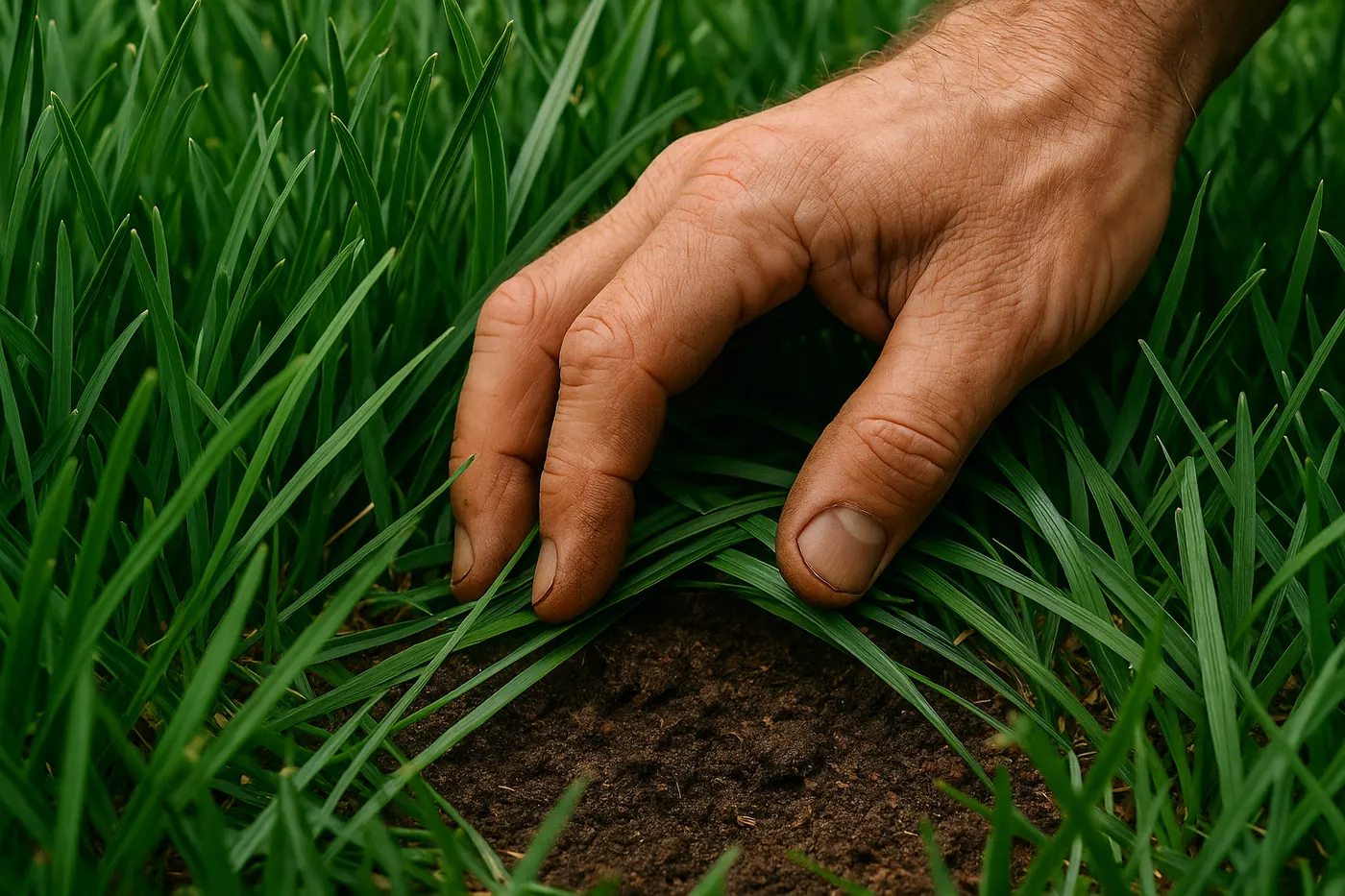
Every visit starts with a soil probe and a visual inspection — not a blanket spray. We identify exactly what's attacking your lawn, then apply the right product at the right time so you're not paying for treatments you don't need.
- Soil probe grub inspection to confirm larvae presence before treating
- Preventive grub control applied in the June-July window
- Brown patch fungicide for tall fescue in summer humidity
- Chinch bug treatment for hot, dry, sun-exposed turf
- Curative rescue treatments when damage is already visible
- Follow-up monitoring to confirm treatment took hold
Pricing
Pest & disease protection plans
Choose a single targeted treatment or a season-long protection plan that covers grubs, chinch bugs, and fungal disease before they take hold.
Single Treatment
One targeted application for a confirmed pest or disease issue — ideal for a specific problem area.
Seasonal Protection
Preventive grub control plus curative treatments for chinch bugs and brown patch, timed to the NoVA calendar.
Full Lawn Health Plan
Pest and disease control bundled with fertilization and weed control for complete year-round coverage.
Why Lawn Theory
Treatment that's timed, not guessed
Local NoVA expertise
We know how Fairfax County clay soil, tall fescue lawns, and Virginia summers drive pest and disease pressure differently than anywhere else.
Diagnosis-driven craftsmanship
No blanket spraying. Every application is based on an actual inspection of soil, thatch, and turf condition.
Licensed & insured
All treatments are applied by licensed technicians using EPA-registered products, fully insured on every property.
Responsive support
See new damage between visits? We'll get a technician back out to reassess and adjust the treatment plan fast.

The NoVA Angle
Why timing matters more here than the national average
Northern Virginia's transition-zone climate means our lawns face threats most national guides don't account for. Tall fescue — the dominant lawn type from Arlington to Loudoun County — is highly susceptible to brown patch (Rhizoctonia solani) during the humid, warm nights of July and August, when overnight temperatures stay above 65°F and leaves stay wet from dew or irrigation. Meanwhile, white grub eggs laid by June and Japanese beetles hatch through the summer, so preventive treatments applied too early or too late simply won't reach them. Chinch bugs favor the hot, dry, full-sun strips along driveways and south-facing slopes common in Fairfax and Loudoun subdivisions. We track all three windows on a NoVA-specific calendar so treatments land when they're biologically effective — not on a one-size-fits-all national schedule.
Service Area
Proudly protecting lawns across Northern Virginia
How We Work
From Walkthrough to Wow, in Three Steps
Consultation
Walk your property with a real expert. Straight answers and a custom assessment, free.
Proposal
A line-item plan with firm pricing. No surprises, no upsells, no pressure.
Implementation
A disciplined crew executes on schedule — and we don't call it done until you do.
Testimonials
What NoVA homeowners are saying
"We had brown patches spreading across our fescue every July until Lawn Theory caught it as brown patch fungus and treated it before it spread further. Two summers later, no recurrence."
"They found grub damage with a soil probe before I even noticed it, treated preventively that summer, and we haven't had a grub problem since. Worth every penny."
"The strip along our driveway kept browning out every August. Turned out to be chinch bugs. One targeted treatment and it greened right back up."
Pairs Well With
Complete your lawn care program
FAQ
Pest & disease control questions, answered
When is the best time to treat for grubs in Virginia?
Preventive grub control works best when applied in June or July, before eggs hatch and while the lawn can be watered in immediately after application. Curative treatments for grubs already feeding should go down in late summer to early fall; applying insecticide in spring after mid-May is largely ineffective because grubs have stopped feeding and are preparing to pupate.
How do I know if my lawn has brown patch or just drought stress?
Brown patch typically appears as roughly circular patches of tan or brown grass, often with a darker "smoke ring" border in the early morning, and shows up during warm, humid nights above 65°F. Drought stress tends to be more uniform across sun-exposed areas and improves with consistent watering, whereas brown patch can worsen with excess moisture and poor air circulation.
What do chinch bug damaged patches look like?
Chinch bug damage starts as small yellow patches, usually in hot, dry, full-sun areas like driveway strips or south-facing slopes, and grows into larger irregular brown patches that do not green back up with watering. A simple soap-and-water flush test — or a professional inspection — confirms chinch bugs before treatment.
How much does lawn pest and disease control cost in Northern Virginia?
A single targeted treatment for a confirmed issue starts at $89, while a seasonal protection plan covering preventive grub control plus curative chinch bug and brown patch treatments starts at $299 for the season, depending on lot size and how many applications are needed.
Can I prevent grubs and brown patch instead of waiting for damage?
Yes — grubs respond well to preventive treatment applied in the June-July window, and brown patch risk can be reduced with cultural steps like mowing tall fescue at 2 to 3.5 inches and watering early in the morning so blades dry during the day. A seasonal plan combines both preventive timing and monitoring so problems are caught before they spread.
Why does tall fescue get brown patch more than other grasses in NoVA?
Tall fescue is the dominant cool-season grass across Northern Virginia because it handles our clay soil and partial shade well, but it's more susceptible to Rhizoctonia solani (brown patch) during our humid mid-Atlantic summers than some warm-season alternatives. Proper mowing height, morning watering, and a timed fungicide application during peak humidity weeks keep it in check.
Will one treatment get rid of grubs, chinch bugs, or brown patch for good?
A single treatment resolves an active, confirmed problem, but grubs, chinch bugs, and brown patch fungus can all return in future seasons under the right conditions. Most NoVA homeowners move to a seasonal protection plan after their first treatment so preventive applications happen automatically at the right time each year.
Free Interactive Tool
Weed & Lawn Problem Identifier
Pick what you're seeing for an instant diagnosis and treatment plan.
Stop guessing. Start diagnosing.
Get a free, no-obligation inspection and a written quote within 24-48 hours.