
Home / Lawn Care & Landscaping / Aeration & Overseeding
Lawn Care & Landscaping
Aeration & Overseeding in Northern Virginia
Relieve compacted clay soil and thicken a thinning lawn the way Northern Virginia's tall fescue actually wants it done — core aeration paired with overseeding, timed for fall.
The Short Answer
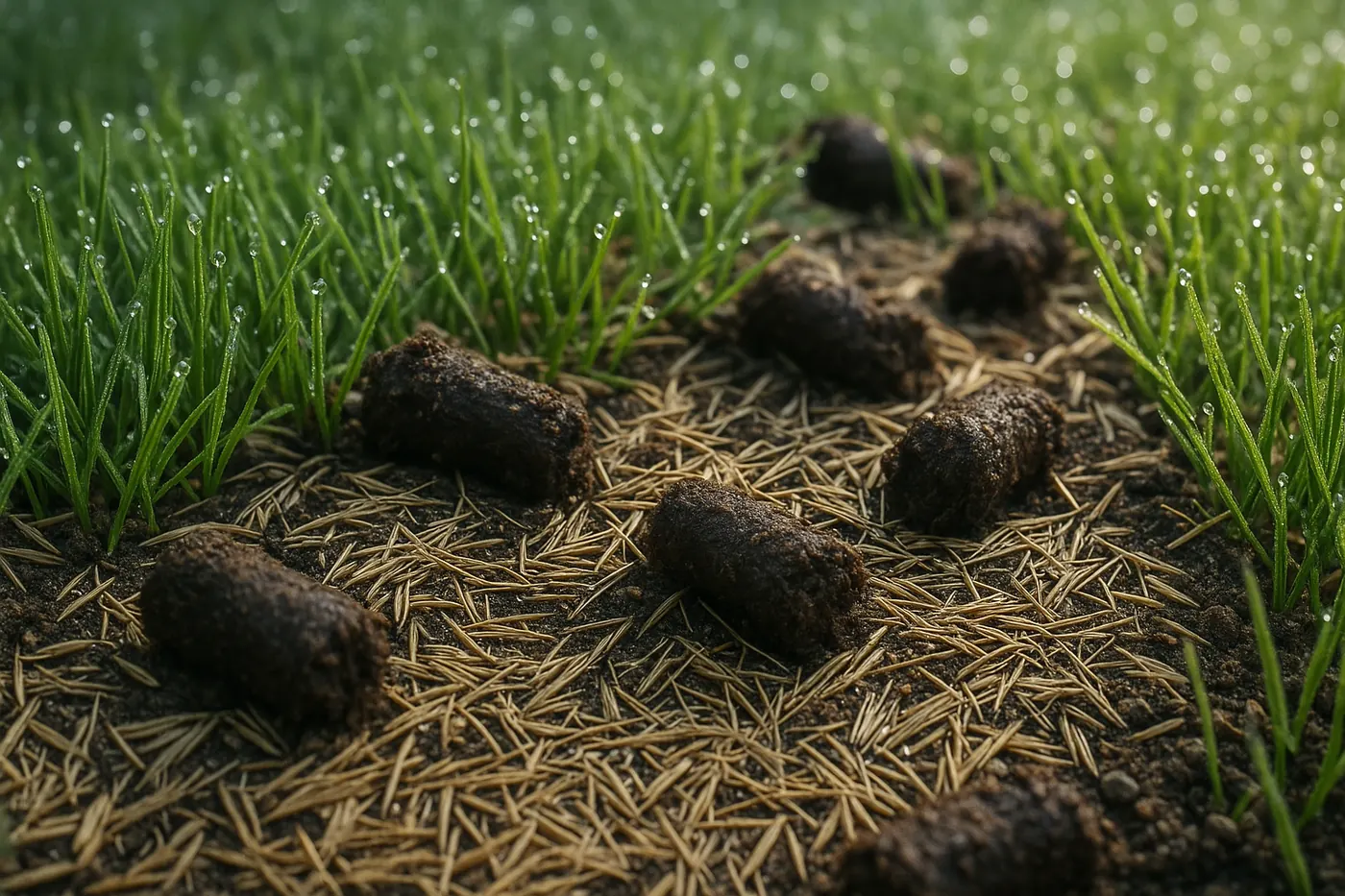
Core aeration and overseeding starts at $250 for a typical Northern Virginia lawn, and the best time to do it is early-to-mid fall when cool-season tall fescue is actively growing. Core aeration pulls real soil plugs (not spike holes) to relieve clay-soil compaction, then overseeding fills in thin and bare patches while the ground is loosened — giving new grass its best shot at rooting before winter.
- $250aeration + overseeding, starting at
- Early fallthe best window for tall fescue
- Core plugsreal soil plugs, not spike holes
- 24–48hwritten, line-item quote
What's In an Aeration & Overseeding Service
One pass that fixes the two biggest issues holding NoVA lawns back: compacted clay soil and thinning turf.
- True core aeration — real soil plugs pulled, not spike holes
- Premium tall fescue seed blend matched to sun/shade conditions
- Full-yard pass, including high-traffic and compacted zones
- Timed for fall when cool-season grass roots fastest
- Post-service care guide for watering the first 2-3 weeks
- Written, line-item quote before any work begins
Simple, Honest Pricing
Aeration & Overseeding Packages
Aeration and overseeding in NoVA starts at $250 for a standard lawn — final price depends on lot size. Always a written, line-item quote before we start.
Standard Fall Service
Core aeration + overseeding for an average quarter-acre lawn.
Large & Estate Lots
Bigger properties, more compacted acreage, or heavier overseed rates.
Add-On to Fertilization
Bundle aeration/overseeding with a fall fertilization visit for the best results.
Why Homeowners Choose Us
Done Right, Timed Right
Real Core Aeration
We pull true soil plugs — spike aeration can actually worsen clay compaction.
Fall-First Scheduling
We book aeration & overseeding in the window that gives new seed the best root time before frost.
NoVA Soil Experts
15+ years reading heavy Northern Virginia clay and matching seed blends to it.
Licensed & Insured
Fully insured in Virginia, watershed-safe practices, written quotes first.
Why Fall, Not Spring
Tall fescue is a cool-season grass, and Northern Virginia's clay-heavy soil compacts fast under foot traffic and clay content.
- Fall aeration lines up with fescue's strongest root-growth window
- New seed gets weeks of cool, moist growing days before winter dormancy
- Less weed competition than a spring overseed, when crabgrass is germinating
- High-traffic, clay-heavy lawns often benefit from aeration every year
Where We Aerate
Serving All of Northern Virginia
How We Work
From Walkthrough to Wow, in Three Steps

Consultation
Walk your property with a real expert. Straight answers and a custom assessment, free.

Proposal
A line-item plan with firm pricing. No surprises, no upsells, no pressure.

Implementation
A disciplined crew executes on schedule — and we don't call it done until you do.
What Neighbors Say
Trusted on Lawns Like Yours
“Bare patches from two summers of clay compaction filled back in by spring. Wish we'd done this years ago.”
“They explained why fall matters instead of just upselling us on a random date. Lawn is noticeably thicker.”
“Fast, clean, and the soil plugs actually broke down in a couple weeks like they said they would.”
Complete Your Lawn Program
Pairs Well With
Aeration, Answered
Aeration & Overseeding FAQs
How much does aeration and overseeding cost?
Lawn Theory's aeration and overseeding in Northern Virginia starts at $250 for a standard lawn — final price depends on lot size and access. Larger or estate lots get a custom quote — always written and line-item.
When is the best time to aerate and overseed?
Early-to-mid fall, when cool-season tall fescue is actively growing and weed pressure is lower than in spring. New seed gets several weeks of cool, moist conditions to root in before winter dormancy.
How often should I aerate my lawn?
Most lawns benefit from aeration once a year. High-traffic yards or those on heavy Northern Virginia clay soil often need it every year to keep up with compaction; low-traffic, sandier lots can sometimes stretch to every 2 years.
Do I need to aerate before overseeding?
It's strongly recommended. Aeration opens channels in compacted soil so grass seed makes real contact with soil (not just sitting on thatch), dramatically improving germination and root development.
How long until I see results after aeration and overseeding?
Soil plugs typically break down within 1-2 weeks. New grass seed usually germinates in 7-14 days, with a noticeably thicker, greener lawn by 4-6 weeks as roots establish before winter.
Do I need to water after aeration and overseeding?
Yes. Newly overseeded areas need light, frequent watering (roughly daily) for the first 2-3 weeks to keep the seed bed moist until germination, then you can taper to a normal deeper watering schedule.
Is core aeration better than spike aeration?
Yes. Core aeration physically removes small soil plugs, truly relieving compaction. Spike aeration just pokes holes, which can push soil sideways and make heavy clay soil more compacted over time — we only use core aeration.
Free Interactive Tool
Grass Seed Calculator
Enter your lawn size for an instant tall-fescue seed estimate and the best NoVA seeding window.
Ready for a Thicker Lawn?
Get Your Free Aeration Quote
Tell us about your lawn and we'll send a written, line-item quote — usually within 24–48 hours.