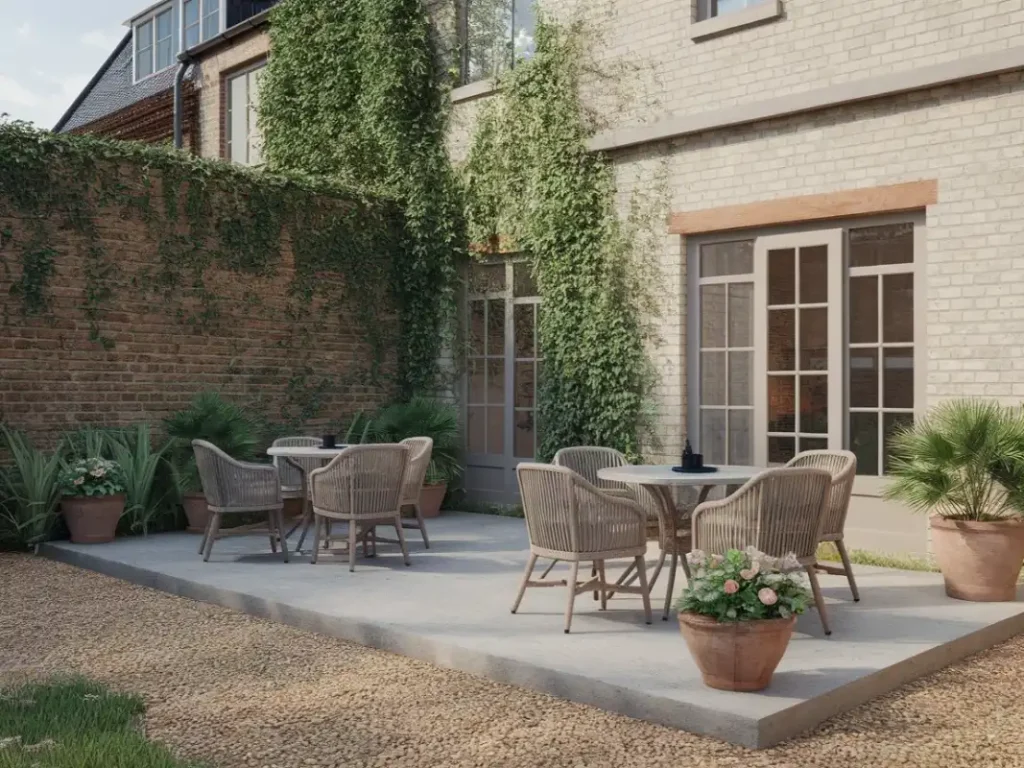
Winter proofing your patio isn’t something homeowners in Northern Virginia should treat as an afterthought. Between freeze-thaw cycles, heavy rain, occasional snow, and temperature swings, patios take a quiet beating all winter long. What looks fine in November can turn into shifting pavers, washed-out joints, and crumbling edges by early spring.
At Lawn Theory, we see this every year across Fairfax County, Loudoun County, Arlington, Alexandria, Prince William County, and Falls Church. The good news is that most winter patio damage is preventable if you understand what causes it and take a few smart steps before winter fully sets in.
This guide breaks it all down in plain language. No scare tactics. No fluff. Just practical advice that actually works in Northern Virginia’s climate.
Why Winter Is So Hard on Patios in Northern Virginia
Northern Virginia winters are deceptively rough on hardscapes. We don’t just deal with deep freezes. We deal with constant freeze-thaw cycles, which are far more damaging than sustained cold.
Here’s what happens behind the scenes:
Water seeps into joints, base layers, and edges during fall rainstorms. When temperatures drop overnight, that trapped moisture freezes and expands. When it warms up again, the ice melts and leaves behind voids. Repeat that cycle dozens of times and suddenly your patio starts to move.
This is the root cause of most patio problems homeowners notice in spring, including uneven surfaces, loose pavers, sinking edges, and joint sand disappearing.
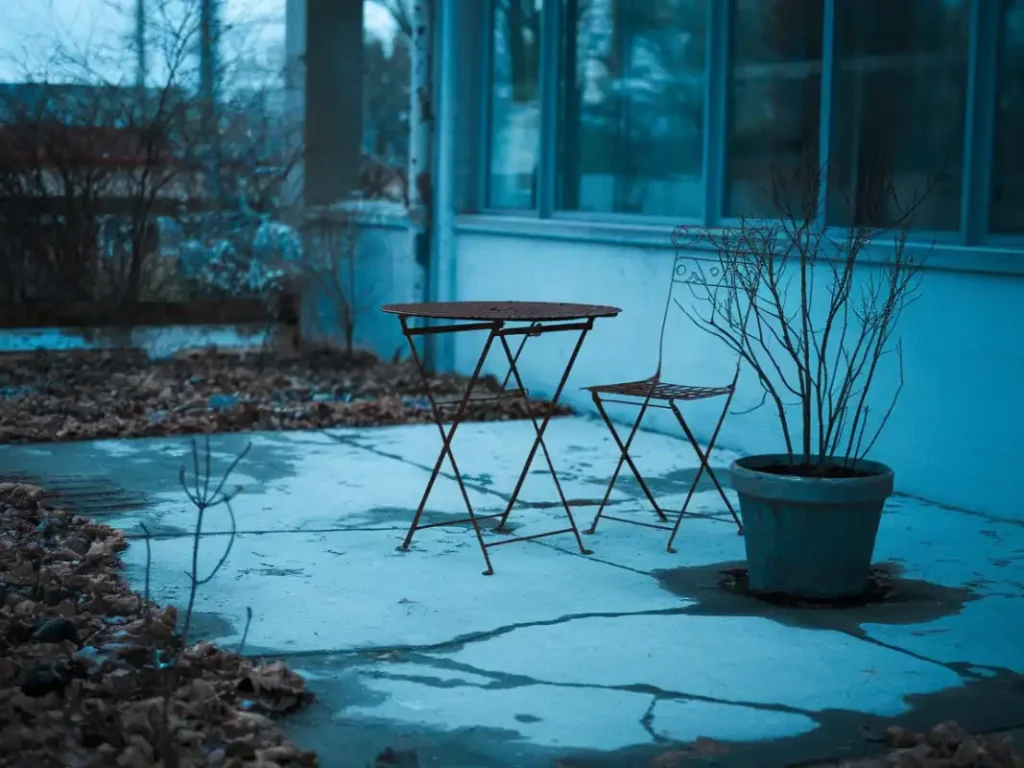
What Patio Shifting Really Means and Why It Happens
Patio shifting doesn’t happen overnight. It’s the result of gradual base failure beneath the surface.
The most common causes include:
• Inadequate base compaction during installation
• Poor drainage allowing water to collect under the patio
• Freeze-thaw expansion loosening the bedding layer
• Soil movement common in Northern Virginia clay soils
Once the base starts to move, pavers or slabs follow. Even a small amount of movement can create trip hazards and allow more water intrusion, accelerating damage through the rest of winter.
This is why winter proofing your patio early matters so much. You’re not just protecting the surface. You’re protecting the structure underneath.
Joint Washout: The Silent Destroyer of Patios
Joint washout is one of the most overlooked winter patio problems. It starts small and gets expensive fast.
Joint sand or polymeric sand is what locks pavers together. When heavy rain, melting snow, or improper drainage washes that material away, pavers lose lateral support. Once that happens, movement becomes inevitable.
Winter accelerates joint washout because:
• Melting snow repeatedly saturates joints
• Freeze-thaw cycles loosen sand bonding
• Water runoff channels form during storms
• Ice melt products can degrade joint materials
By spring, homeowners often notice gaps between pavers or weeds popping up where sand used to be. That’s not just cosmetic. It’s a structural warning sign.
Edge Damage: Why Patios Fail from the Outside In
Edge damage is another common winter issue we see across Northern Virginia patios, especially on older installations.
Edges are the most vulnerable part of any patio because they take the brunt of soil movement, water flow, and freeze expansion. Without proper edge restraints, winter conditions slowly push pavers outward.
Signs of developing edge damage include:
• Border pavers pulling away from the main patio
• Cracked or leaning edge stones
• Soil erosion along the perimeter
• Uneven transitions to lawns or walkways
Once edges fail, the rest of the patio follows. Winter proofing focuses heavily on reinforcing and protecting these perimeter zones.
Drainage Is the Real Key to Winter Patio Protection
If there’s one factor that determines whether a patio survives winter intact, it’s drainage.
No amount of sealant or joint sand will save a patio that traps water. Standing water is the enemy during winter months because it guarantees freeze-thaw damage.
Proper drainage means:
• Water moves away from the patio surface
• Sub-base layers stay relatively dry
• Joints don’t stay saturated for long periods
• Edges aren’t constantly undermined
At Lawn Theory, many winter patio issues we repair weren’t caused by bad materials. They were caused by water having nowhere to go.
How to Winter Proof Your Patio the Right Way
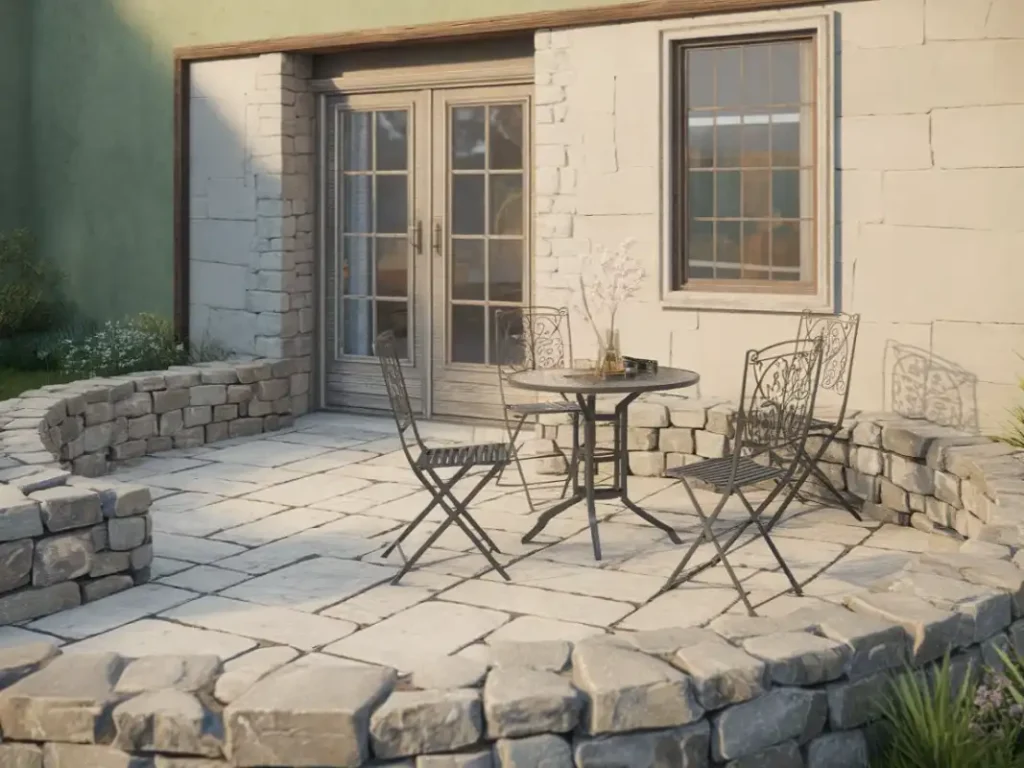
Winter proofing your patio isn’t complicated, but it does need to be done correctly. Here’s what actually makes a difference in Northern Virginia conditions.
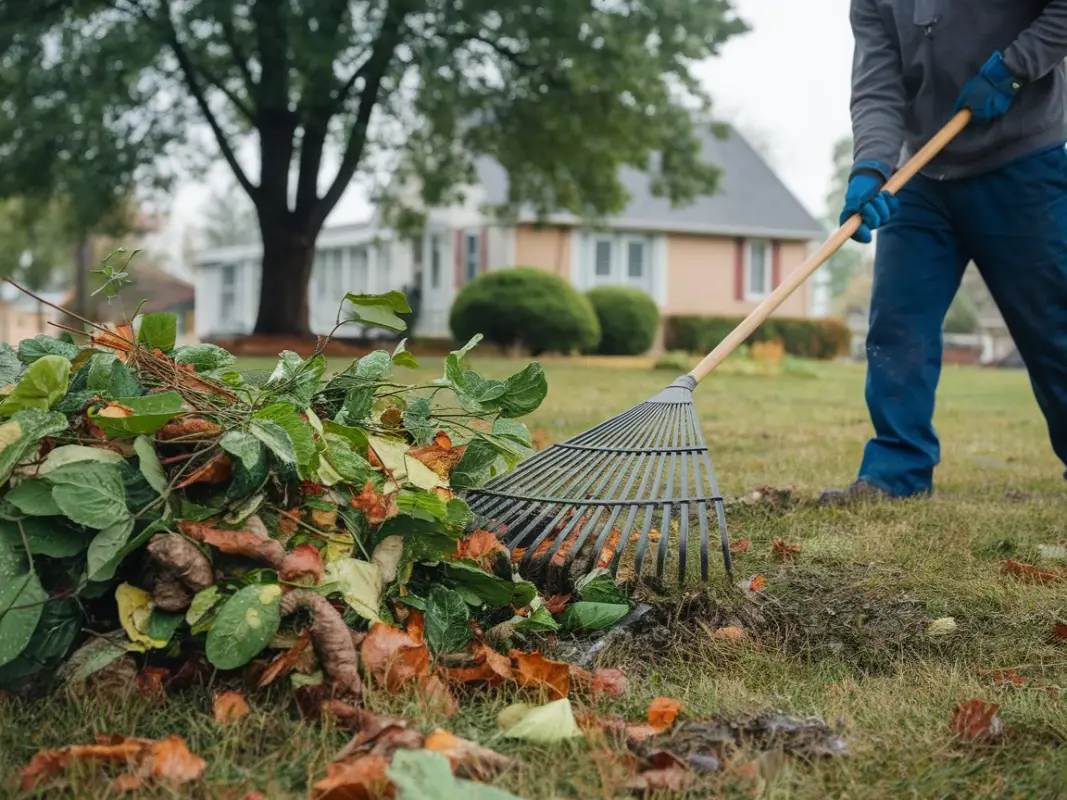
Start with a deep cleaning. Removing debris, organic buildup, and old sand exposes problem areas and prevents moisture retention. Leaves and dirt trap water against the surface, which accelerates freeze damage.
Inspect joints and refill where needed. Missing or loose joint material should be addressed before winter. High-quality polymeric sand helps resist washout and limits water penetration.
Check edges and restraints. Any loose edge stones or failing restraints should be stabilized before freezing temperatures arrive. Winter movement only gets worse once it starts.
Address drainage issues early. If you see water pooling near your patio during fall rain, that’s a red flag. Redirecting runoff now prevents base saturation later.
Avoid harsh ice melt products. Many deicers damage concrete, joint sand, and surrounding landscaping. Choosing patio-safe options reduces chemical stress throughout winter.
Concrete vs Paver Patios: Winter Risks Are Different
Not all patios fail the same way in winter.
Concrete patios are prone to surface scaling, cracking, and spalling when water freezes inside microscopic pores. Once cracks form, winter moisture expands them quickly.
Paver patios usually fail at the joints or base. Individual stones may remain intact, but movement beneath causes uneven surfaces and edge separation.
Winter proofing strategies should always match the patio type, soil conditions, and exposure. This is where professional insight makes a real difference.
Northern Virginia Soil Makes Winter Proofing Even More Important
Northern Virginia’s clay-heavy soils expand when wet and shrink when dry. That natural movement puts extra stress on patios during winter months.
When clay soils freeze, they heave. When they thaw, they settle unevenly. Without a properly prepared base and good drainage, patios are forced to move along with the soil.
This is why patios built without local expertise often struggle here. Winter proofing isn’t just about weather. It’s about understanding the ground beneath your patio.
Common Winter Patio Mistakes Homeowners Make
We see the same mistakes every year, and they almost always lead to spring repairs.
• Waiting until spring to address visible issues
• Ignoring small gaps or loose pavers
• Using pressure washers aggressively before winter
• Applying the wrong ice melt products
• Assuming patios don’t need maintenance
Winter proofing is preventive by nature. Once damage is visible, it’s usually already progressed.
When Professional Patio Help Makes Sense
Some winter prep tasks are DIY-friendly. Others really aren’t.
If your patio already shows signs of shifting, joint loss, or edge movement, winter proofing should involve professional inspection. Addressing these issues now is far cheaper than rebuilding sections in spring.
Lawn Theory specializes in build and outdoor living solutions designed specifically for Northern Virginia conditions. That includes patios built to handle freeze-thaw cycles, heavy rain, and soil movement without constant repairs.
Why Lawn Theory Approaches Patio Winter Proofing Differently
We don’t believe in surface-level fixes. Our approach focuses on long-term performance, not short-term appearance.
Every patio we evaluate considers:
• Soil type and compaction
• Drainage patterns and runoff flow
• Edge restraint integrity
• Joint material performance
• Exposure to sun, shade, and wind
That’s why our patios age better through winter and require fewer repairs year after year across Fairfax, Loudoun, Arlington, Alexandria, Prince William County, and Falls Church.
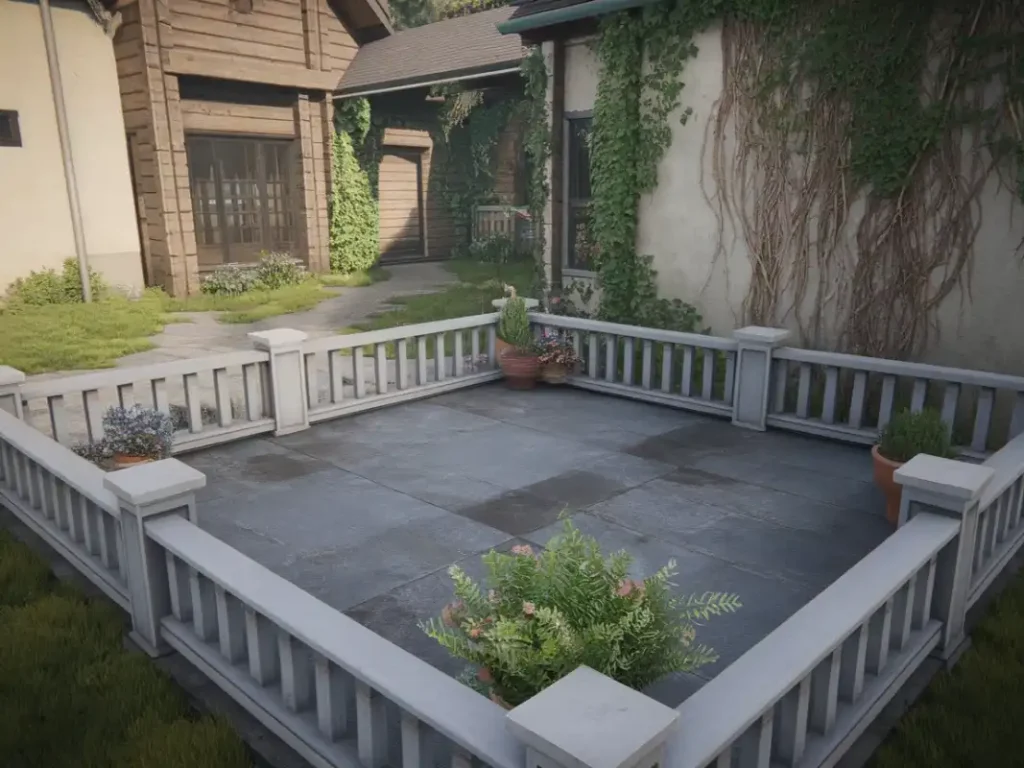
A Smarter Way to Protect Your Patio Before Winter Hits
Winter proofing your patio is about control. Control of water, movement, and materials. When those three things are managed properly, patios survive winter with minimal wear and tear.
The earlier you act, the easier it is. Fall is the ideal window. Once winter is in full swing, options become limited and damage accelerates quietly.
Final Thoughts and Next Step
If you want your patio to look the same in spring as it does right now, winter proofing isn’t optional. It’s part of responsible outdoor living ownership in Northern Virginia.
If you’re unsure whether your patio is ready for winter, Lawn Theory can help. We work with homeowners across Northern Virginia to protect, repair, and build patios that hold up year after year. See us on Instagram & YouTube.
Schedule a consultation with Lawn Theory today and make sure winter doesn’t undo your outdoor investment. Your future spring self will thank you.