You’re standing in your backyard, staring at a patchwork of dead grass, mud, and that one stubborn clump of crabgrass that survived three summers. You’ve decided: something has to change. But now you’re stuck at the age-old question every Northern Virginia homeowner eventually faces sod vs seed, which is actually better for your yard?
Great news: you’ve landed in the right place. At Lawn Theory, Northern Virginia’s veteran-owned lawn care and landscaping company serving Aldie, Ashburn, Loudoun County, Fairfax, Arlington, Chantilly, and surrounding communities, we’ve installed, renovated, and rescued hundreds of yards across the region. We know exactly how our local clay-heavy soils, humid summers, and frosty winters affect both options and we’re going to give you the straight talk your neighbor’s Google search couldn’t.
Let’s break it all the way down.
Sod vs Seed for Northern Virginia Yards: The Quick Answer
Short answer: Sod wins for speed, instant curb appeal, and erosion control. Seed wins for budget, variety selection, and long-term root depth. Neither is universally “better” — the right choice depends on your timeline, budget, soil conditions, and how much patience you have.
Now for the real answer — because your yard deserves more than a one-liner.
What Makes Northern Virginia Lawns Different (And Why It Matters)
Before we dive into sod vs seed, here’s something most generic lawn care articles skip entirely: Northern Virginia is a horticultural transition zone. That means our region sits right on the boundary between cool-season and warm-season grass territories.
What does that mean for you? It means:
- Our summers hit brutal heat and humidity (bad for cool-season fescue)
- Our winters bring enough freeze-thaw cycles to stress warm-season grasses
- Most yards in Loudoun County, Fairfax, and Ashburn sit on dense clay-heavy soil that drains poorly and compacts easily
- Shaded lots in neighborhoods like Aldie or Stone Ridge can make establishment difficult for both options
This is why cookie-cutter lawn advice from blogs written for Kansas City or Atlanta doesn’t cut it here. The sod vs seed decision in Northern Virginia requires a local lens — and that’s exactly what we bring at Lawn Theory.
Sod Installation in Northern Virginia: What You Need to Know
What Is Sod — And How Does It Work?
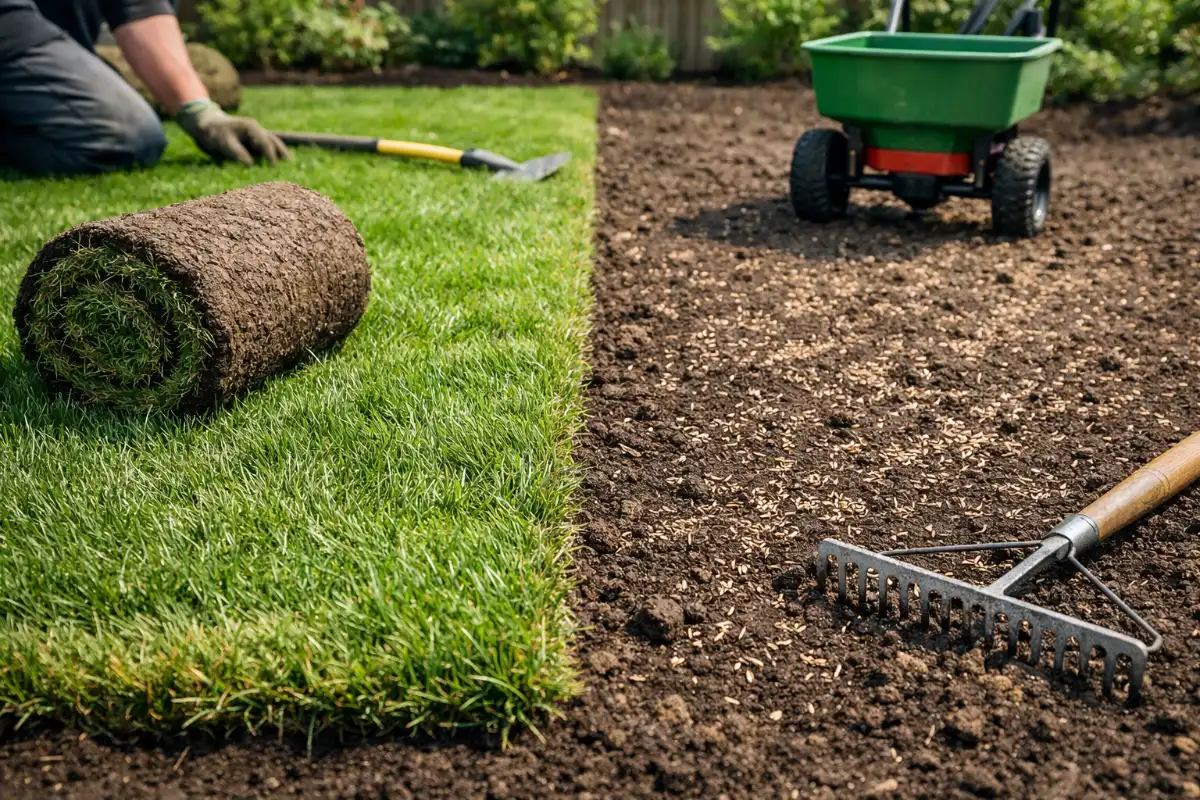
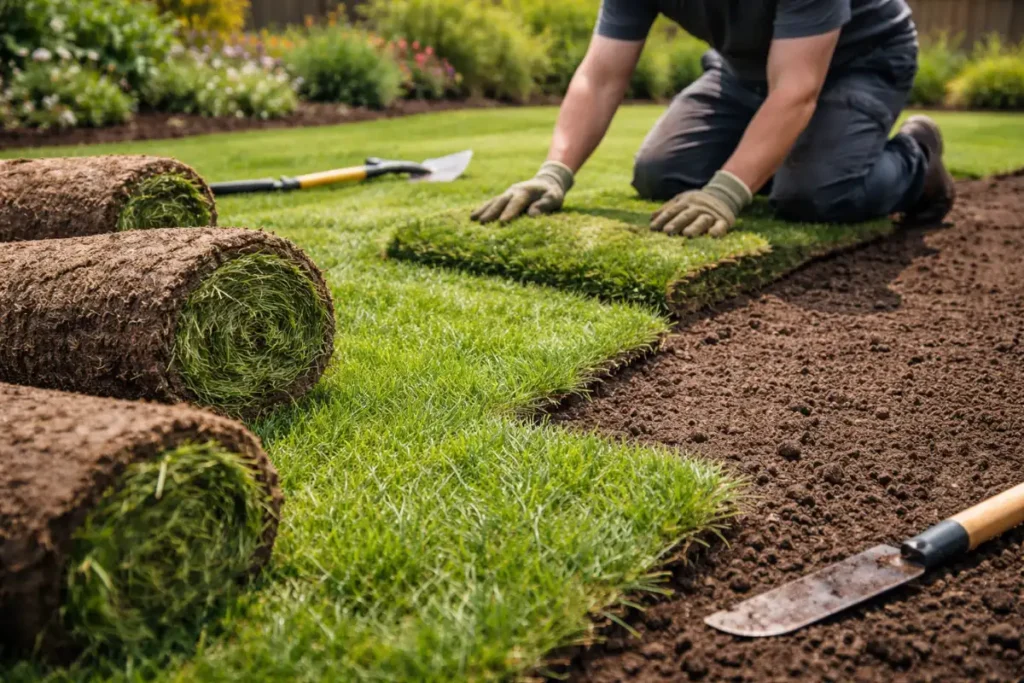
Sod is mature grass that’s been grown on a farm, cut into rolls with a thin layer of soil attached, and transplanted directly to your yard. Think of it like a lawn transplant. You go from bare dirt to a lush, green lawn in a single day.
The Big Advantages of Sod in Northern Virginia
1. Instant results — seriously, same day. If you need a presentable lawn for a summer party, an HOA inspection, or you’re just tired of looking at dirt, sod delivers. You lay it down, water it, and within two to three weeks the roots have knit into your soil and you’ve got a real lawn.
2. Erosion control for slopes and graded yards. Many Northern Virginia properties — especially newer builds in Aldie, Brambleton, and Stone Ridge — sit on graded lots where bare soil erodes with every rainstorm. Sod locks the soil in place immediately. Seed, on the other hand, takes weeks to establish enough root mass to hold soil on a slope. If you’ve had drainage issues or grading challenges, sod is almost always the smarter call.
3. Fewer weeds — at least at first. A freshly seeded lawn is essentially an open invitation to every weed in your zip code. Sod’s dense mat leaves little room for weeds to establish during those vulnerable early weeks.
4. Year-round installation window (almost). Unlike seeding, which has very specific timing windows in our region, sod can be installed from early spring through mid-fall — as long as the ground isn’t frozen.
The Downsides of Sod You Need to Hear
- Cost. Sod costs significantly more than seed — typically $1.50 to $2.50 per square foot installed in Northern Virginia versus a fraction of that for seed. For a 5,000 square foot yard, you’re looking at $7,500 to $12,500+ professionally installed.
- Limited grass variety. You’re largely limited to what the sod farm is growing, which in our area is predominantly tall fescue blends. Less customization for specific shade, drought tolerance, or traffic patterns.
- Watering demands. Newly laid sod needs to be watered daily — sometimes twice daily in summer heat — for the first two to three weeks. Missthat window and you’ll watch $8,000 worth of grass turn brown faster than a forgotten house plant.
- Root depth. Sod roots tend to stay shallower than grass grown from seed in the long run, which can mean slightly less drought tolerance over time without consistent irrigation management.
Lawn Seeding in Northern Virginia: What You Need to Know
What Is Lawn Seeding — And How Does It Work?
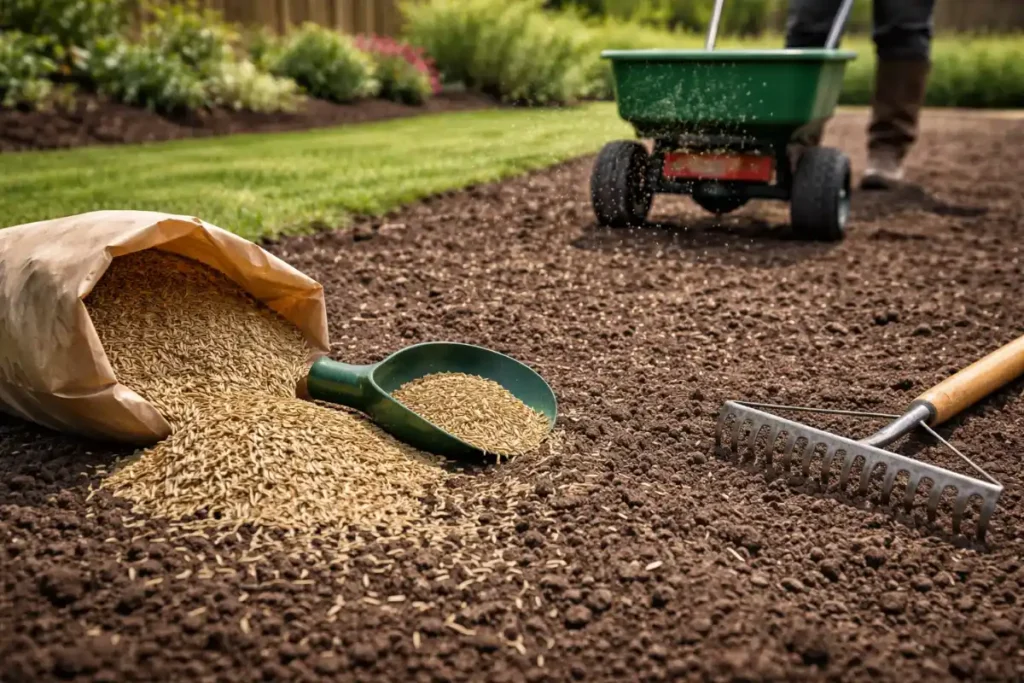
Grass seeding is exactly what it sounds like — spreading grass seed across prepared soil and letting nature (with your help) do the rest. Done properly with soil prep, starter fertilizer, and the right seed blend, it can produce a spectacular lawn. Done hastily, it produces a patchy disappointment.
The Big Advantages of Seeding
1. Cost — it’s not even close. Professional lawn seeding in Northern Virginia typically runs $0.08 to $0.20 per square foot for seed costs. Even factoring in soil prep and labor, you’re spending far less than sod. For budget-conscious homeowners in Herndon, Chantilly, or Sterling, seeding makes a lot of financial sense.
2. Better variety selection. With seeding, you can choose specific cultivars optimized for your unique conditions — deep shade blends for heavily wooded lots, drought-tolerant turf-type tall fescues for south-facing slopes, or traffic-resistant blends for active family yards. Our team at Lawn Theory helps you select the right seed mix for your specific microclimate and soil type.
3. Deeper root systems. Grass grown from seed in your native soil establishes deeper, more resilient root systems over time. These roots eventually reach moisture deeper in the soil profile, making seeded lawns slightly more drought-tolerant as they mature — a real advantage given Northern Virginia’s hot July and August.
4. Natural blending with existing lawn. If you’re overseeding patchy areas rather than starting from scratch, seed allows you to blend new grass into existing turf far more naturally than piecing in sod squares.
The Downsides of Seeding You Can’t Ignore
- Timing is everything, and Northern Virginia’s window is tight. The single best time to seed a cool-season lawn in our region is late August through mid-October — a window most homeowners miss because they’re not thinking about grass in the dog days of summer. Spring seeding is possible but comes with weed competition challenges. Get the timing wrong and your seed either bakes in summer heat or gets eaten by crabgrass.
- Patience required. You’re looking at 10–21 days just for germination, then another 8–12 weeks before the lawn can handle normal traffic. That’s three months of careful babying before you can throw a frisbee in the backyard.
- Vulnerable to birds, foot traffic, and rain. Seed can be displaced by a heavy rain, eaten by birds, or killed by one careless walk-through before establishment.
- Weed competition. A freshly seeded lawn is a weed buffet. You cannot apply most herbicides to a newly seeded lawn — so any weeds that germinate are largely your problem until the grass establishes.
Sod vs Seed Cost Comparison for Northern Virginia
Here’s the honest breakdown you won’t find on most landscaping websites:
| Sod | Seed | |
|---|---|---|
| Material cost (per sq ft) | $0.50–$1.00 | $0.05–$0.15 |
| Installed cost (per sq ft) | $1.50–$2.50 | $0.30–$0.80 |
| 2,000 sq ft yard (installed) | $3,000–$5,000 | $600–$1,600 |
| 5,000 sq ft yard (installed) | $7,500–$12,500 | $1,500–$4,000 |
| Time to usable lawn | 3–4 weeks | 3–4 months |
| Warranty/guarantee possible? | Yes (with pro install) | Conditional |
Note: Prices vary based on soil preparation required, terrain, and access. Our sod installation and lawn renovation service includes a detailed quote with no surprise costs.
The Northern Virginia Timing Guide: When to Sod or Seed
This is the section most blogs skip, but it might be the most important part of this entire article.
Best Time to Install Sod in Northern Virginia
- Spring: March–May ✅ (ideal if you need summer-ready lawn)
- Summer: June–August ⚠️ (possible but requires intensive watering; hot, dry spells can stress new sod)
- Fall: September–October ✅ (excellent — cooler temps reduce water stress, roots establish well before winter)
- Winter: November–February ❌ (frozen ground = skip it)
Best Time to Seed in Northern Virginia
- Late Summer/Early Fall: Late August–October 15 ✅ (The sweet spot. Soil is warm enough for germination, but cooling air temperatures reduce stress. Weed competition drops. This is when the pros seed.)
- Spring: March–April ⚠️ (workable but must compete with crabgrass and weeds)
- Summer: June–August ❌ (germination success is poor; heat kills seedlings)
- Winter: ❌
If you’ve missed the fall seeding window, don’t panic — our aeration and overseeding service is designed to maximize seed-to-soil contact and give late-season installs the best possible shot at success.
Which Option Is Right for Your Northern Virginia Yard? Use This Decision Tree
Choose sod if:
- You need results fast (event, home sale, HOA deadline)
- Your yard has a slope or erosion problem
- You’re starting from completely bare soil on a new construction lot
- You have budget flexibility
- It’s spring or early fall
Choose seed if:
- Budget is a primary concern
- You’re overseeding thin or patchy areas, not starting from scratch
- You can commit to the fall seeding window
- You want specific grass varieties suited to your shady or drought-prone lot
- You have the patience to wait 3–4 months for results
Choose a combination (the Lawn Theory approach) if:
- Your yard has some bare areas, some thin areas, and some healthy turf
- You want to maximize cost efficiency while still getting quick results in key visible areas
This hybrid approach — sodding the front yard for curb appeal while seeding the backyard to save money — is actually one of our most popular lawn renovation strategies for homeowners in Loudoun County and Fairfax.
The Soil Prep Step Everyone Skips (And Why It Destroys Both Sod and Seed)
Here’s the dirty secret of lawn installation failures in Northern Virginia: the grass isn’t the problem. The soil is.
Northern Virginia’s infamous clay soil is dense, compacted, and drains slowly. Without proper preparation, even the highest-quality sod will fail to root and the best grass seed will rot in waterlogged spots.
Professional soil prep includes:
- Soil testing to determine pH and nutrient deficiencies (most NoVA yards run slightly acidic — lime is often needed)
- Core aeration to break up compaction before seeding — our aeration service is often the single highest-impact pre-treatment
- Grading for proper drainage — standing water after rain is the enemy of both sod and seed
- Starter fertilizer application timed to installation date
- Topsoil amendments for severely depleted or compacted areas
Skip soil prep and you’re gambling hundreds or thousands of dollars on a coin flip. Do it right and both sod and seed will thrive.
Ongoing Lawn Care After Sod or Seed: What Northern Virginia Yards Need
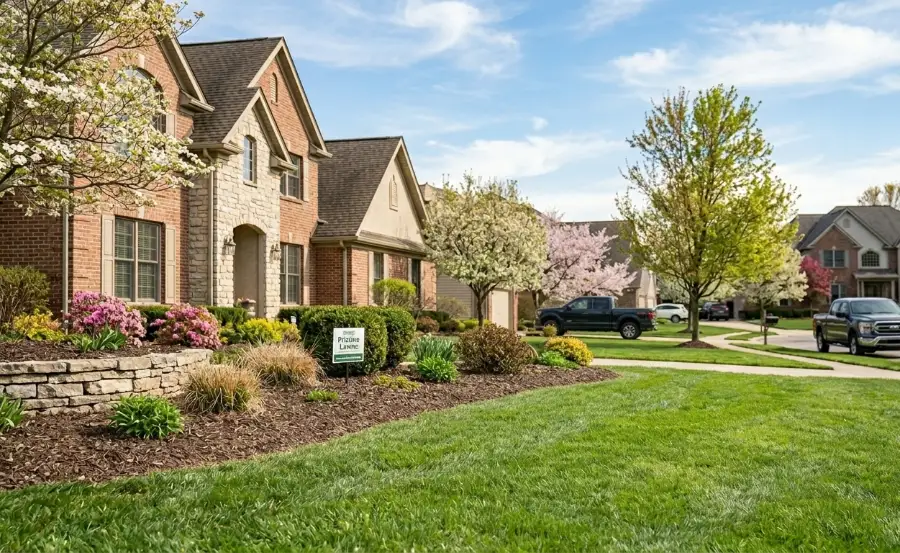
Whether you choose sod or seed, the work doesn’t stop at installation. Northern Virginia lawns need consistent, seasonal attention to stay healthy:
- Fertilization: Proper lawn fertilization and weed control on a seasonal schedule is non-negotiable for maintaining the density and color you just paid to establish
- Mowing: Regular mowing and maintenance keeps new grass at the right height to develop lateral density — especially critical in the first season after installation
- Mulching around beds: Bed maintenance and mulching around new lawn edges defines boundaries and reduces competing weed pressure
- Pest and disease monitoring: New grass — whether from sod or seed — is more susceptible to grubs, fungal disease, and pests. Our lawn pest and disease control service provides early intervention before problems spread
- Seasonal cleanup: Leaf removal and seasonal cleanup prevents thick leaf layers from smothering your newly established lawn in the fall — especially important in the first year
Why Northern Virginia Homeowners Choose Lawn Theory
Here’s our honest pitch — and we promise it’s shorter than the sod vs seed debate:
Lawn Theory is veteran-owned and operated. That means military precision in everything we do — proper soil prep, correct installation, and follow-through that doesn’t stop when the crew truck drives away.
We serve homeowners across Aldie, Ashburn, Brambleton, Loudoun County, Fairfax, Arlington, Chantilly, Herndon, Stone Ridge, Sterling, and Falls Church — which means we know your specific soil type, your neighborhood’s drainage quirks, and what grass varieties perform best on your block.
Our full lawn care and landscaping services cover everything from sod installation to seasonal maintenance, and our landscape design and installation team can help you plan a complete outdoor transformation — not just a new lawn, but a full outdoor living space you’ll actually want to spend time in.
Frequently Asked Questions: Sod vs Seed in Northern Virginia
Q1: Is sod or seed better for Northern Virginia’s clay soil?
Both can work in Northern Virginia clay soil, but neither will succeed without proper soil preparation first. Clay soil compacts easily and drains poorly, which smothers grass roots. We recommend core aeration and soil amendment before either sod or seed installation. If your drainage is a serious issue, address that first with professional grading before making any grass investment.
Q2: When is the best time to seed a lawn in Northern Virginia?
The best time to seed a cool-season lawn in Northern Virginia is late August through mid-October. The soil is still warm enough for germination, but air temperatures are cooling, which reduces heat stress on seedlings. Weed competition also drops significantly in fall compared to spring seeding.
Q3: How long does it take for sod to root in Northern Virginia?
Sod typically begins establishing roots within 10–14 days of installation in Northern Virginia. By week 3–4, the roots have knit into the soil sufficiently for light use. You should avoid heavy foot traffic or mowing for the first 3 weeks. Full root establishment takes approximately 6–8 weeks.
Q4: Can I install sod in the summer in Northern Virginia?
Yes, but summer sod installation in Northern Virginia carries higher risk due to heat and drought stress. You’ll need to water newly installed sod at least once — and sometimes twice — daily during July and August. We recommend spring or fall installation for the best results and lowest maintenance burden.
Q5: What grass type is best for Northern Virginia yards?
Turf-type tall fescue is the most popular and best-performing grass for Northern Virginia yards. It handles our transition-zone climate better than pure cool-season or warm-season options, tolerates moderate shade, and has improved drought resistance compared to older fescue varieties. For extremely shady lots, a fine fescue blend may perform better.
Q6: How much does sod installation cost in Northern Virginia?
Professional sod installation in Northern Virginia typically costs $1.50 to $2.50 per square foot installed, including materials, soil prep, and labor. A 2,000 sq ft lawn runs approximately $3,000–$5,000. A 5,000 sq ft lawn runs $7,500–$12,500+. Prices vary based on soil condition, terrain, and access.
Q7: How much does lawn seeding cost in Northern Virginia?
Professional lawn seeding in Northern Virginia typically costs $0.30 to $0.80 per square foot installed — significantly less than sod. A 2,000 sq ft lawn runs $600–$1,600 professionally seeded with soil prep. The trade-off is time: you’re waiting 3–4 months for a usable lawn versus 3–4 weeks with sod.
Q8: Do I need to aerate before seeding a lawn in Northern Virginia?
Yes — aeration before seeding is highly recommended in Northern Virginia because our clay-heavy soils compact easily. Core aeration creates small plugs in the soil that allow seed to fall into direct contact with loosened soil, dramatically improving germination rates and establishment success. Our aeration and overseeding service combines both steps for maximum results.
Q9: What happens if I don’t water new sod enough in Northern Virginia?
Underwatered sod in Northern Virginia will begin to show stress within 24–48 hours in summer conditions — the edges dry out first, followed by the center of each roll. Without intervention, sod can die within 3–5 days in peak summer heat. Daily watering (sometimes twice daily) for the first 2–3 weeks is essential. After rooting, you can taper to deep, infrequent watering.
Q10: Can I overseed on top of existing grass instead of full renovation?
Yes, overseeding thin or patchy existing lawns is a cost-effective alternative to full sod or seed renovation. It works best when combined with core aeration to ensure seed-to-soil contact. If more than 40–50% of your lawn is damaged or bare, a full renovation typically produces better long-term results than overseeding alone.
Ready to Get a Lush, Green Northern Virginia Lawn?
Whether you’ve decided on sod, seed, or you still want one of our pros to walk your yard and give you a straight recommendation, Lawn Theory is ready to help.
We’re a veteran-owned landscaping and lawn care company proudly serving Aldie, Ashburn, Brambleton, Loudoun County, Fairfax, Chantilly, Herndon, Sterling, Arlington, Falls Church, and surrounding communities across Northern Virginia.
Here’s how easy it is to get started:
- Browse our full lawn care and landscaping services
- See our sod installation and lawn renovation service
- Request a free, no-pressure quote
No bots. No runaround. Just a real conversation with a local team that actually cares about your yard. See us on Instagram & YouTube.
Call us at (703) 650-5655 or contact us online
Your neighbors are already calling. Your lawn is next.