
Decks and Porches Building Service in Northern Virginia: Your Complete Guide to Getting It Built Right
There is a specific moment every Northern Virginia homeowner experiences at some point. You are standing at your back door, looking out at a flat rectangle of grass or a cracked concrete slab, and you think: there is supposed to be something here. A deck. A screened porch. A place where the weekend actually feels like a weekend.
That moment is the beginning of one of the best investments you can make in your Northern Virginia home. A professionally designed and built deck or porch adds usable living space, measurable property value, and the kind of daily enjoyment that no interior renovation comes close to delivering. But it also requires navigating materials, permits, HOA approvals, and a Northern Virginia construction market that costs 25 to 35 percent more than the rest of Virginia for good, specific reasons.
At Lawn Theory, a veteran-owned outdoor living and property services company serving Aldie, Ashburn, Brambleton, Loudoun County, Fairfax, Arlington, Chantilly, Herndon, Stone Ridge, Sterling, and Falls Church, our decks and porches design and build service is the complete solution for Northern Virginia homeowners who want their outdoor space done right the first time. No subcontracted coordination chaos. No surprise cost additions. No deck that looks good in the quote and mediocre in real life.
This guide covers everything you need to know before breaking ground: why NoVA costs what it costs, every material option explained honestly, what permits actually require here, and how a new deck or porch connects to the complete outdoor living vision your property deserves.
Why Decks and Porches Building Service in Northern Virginia Costs More (And Why It Is Worth Every Dollar)
If you have searched deck building costs and compared Northern Virginia quotes to national averages, you have noticed a gap. Deck construction in the NoVA and DC metro area runs 25 to 35 percent above the Virginia state average. Understanding why helps you evaluate quotes with confidence rather than frustration.
Labor market rates. Northern Virginia has one of the highest costs of living in the country. Skilled carpenters, structural framers, and finish crews in Loudoun County and Fairfax County are compensated accordingly. You are not paying inflated rates for average work. You are paying competitive rates for skilled tradespeople in a high-cost market who build to the tighter tolerances that Virginia code and HOA inspections require.
Building code requirements. Virginia building code for elevated decks has become progressively more rigorous following national safety updates. Ledger board attachment requirements, footing depth specifications (Loudoun County requires footings that reach 24 to 30 inches below grade to clear our freeze-thaw zone), structural beam sizing, and railing strength standards are all more stringent than they were a decade ago. A properly permitted, code-compliant deck in Northern Virginia is significantly more structurally robust than a deck built to older or more permissive standards. That structural integrity is what keeps your family safe and keeps your insurance coverage valid.

Permit and review timelines. New decks require permits in Fairfax County including detailed site plans, structural drawings, zoning review, and building review. Approval typically takes 3 to 6 weeks depending on seasonal demand. Loudoun County is generally faster for permits but has stricter site plan review requirements, especially in HOA-governed neighborhoods throughout Ashburn, Brambleton, One Loudoun, and Stone Ridge. The permit process protects you and costs money in time and documentation. Professional builders who navigate this process routinely deliver it as part of their service without passing administrative headaches to homeowners.
HOA architectural review. A significant portion of Northern Virginia residential properties sit in HOA-governed communities with architectural review requirements for any visible exterior structure. HOA review for decks and porches is typically free but adds 2 to 4 weeks to the project timeline. HOA-approved material selections, color restrictions, railing specifications, and setback requirements vary community by community. Lawn Theory’s team has navigated HOA approval processes throughout Ashburn, Brambleton, Aldie, Herndon, Chantilly, and Stone Ridge and manages this process on behalf of our clients.
Wood vs Composite Decking: The Honest Comparison Every Northern Virginia Homeowner Needs
This is the material decision that drives the biggest difference in both upfront cost and long-term satisfaction. Here is the complete picture.
Pressure-Treated Wood Decking
Pressure-treated pine is the entry-level deck material and the most economical starting point. A standard ground-level 16×20 foot deck built with pressure-treated lumber and standard wood pickets starts at $12,500 installed in Northern Virginia, making it the most accessible entry point into outdoor living.
However, Northern Virginia’s humid summers and freeze-thaw winters are not kind to wood. Pressure-treated decking requires power washing and sealing every one to two years to maintain the surface and prevent accelerated degradation. Skip two or three maintenance cycles and the wood begins to grey, crack, splinter, and cup. The ongoing maintenance cost over a 10-year ownership window is a meaningful addition to the initial investment that most homeowners do not factor into the original decision.
If budget is the primary constraint and you commit to the maintenance schedule, pressure-treated wood is a legitimate starting point. If low ongoing maintenance is a priority, composite is the better investment.
Composite Decking (Trex, TimberTech, AZEK)
Composite decking combines wood fibers and recycled plastics to produce a board that looks like premium hardwood, resists moisture and insects, does not splinter or cup, and requires essentially no maintenance beyond periodic cleaning. The dominant brands in the Northern Virginia market are Trex, TimberTech, and AZEK, each offering multiple product lines at different price points.
A wood deck with composite floor (Trex boards on pressure-treated framing) starts at $19,000 for a standard Northern Virginia residential project. A full composite deck with Trex Transcend flooring, composite railing, and PVC trim starts at $27,000. For larger, multi-level projects or those incorporating screened porches, outdoor kitchens, and built-in features, budgets of $50,000 to $85,000-plus are common in Loudoun County and Fairfax County.
The composite premium is justified by one primary factor: total cost of ownership. A composite deck that requires only an annual wash from a deck and fence cleaning service rather than biennial sanding and sealing delivers a meaningfully lower total ownership cost over its 25-to-30-year lifespan compared to wood that requires continuous intervention. In Northern Virginia’s climate specifically, the maintenance savings over a decade often offset the initial composite premium.
Cedar and Hardwood Decking
Cedar and tropical hardwood options like Ipe and Mahogany occupy the premium wood category. Cedar is naturally resistant to insects and moisture and holds up significantly better than pressure-treated pine in Northern Virginia conditions. Ipe and other tropical hardwoods are extraordinarily dense and durable but require specialized fastening and still benefit from periodic oiling to maintain appearance. These materials are appropriate for homeowners who specifically want the natural wood aesthetic and are willing to invest in proper care.
Types of Decks and Porches We Build in Northern Virginia
Lawn Theory’s decks and porches service covers every configuration of outdoor structure that Northern Virginia homeowners build. Here is what each type delivers.
Ground-Level Decks
Ground-level decks sit within 12 to 24 inches of grade and are the most structurally straightforward build. They work well for homes with walk-out basement configurations common in Loudoun County’s hillier terrain, and for properties where the goal is extending the ground-floor living area into the yard. Ground-level decks generally move through the permit process faster and are the most budget-accessible option.
Elevated Multi-Level Decks
Multi-level decks serve homes with significant grade changes between the door threshold and the yard, or where the design calls for distinct zones within the deck footprint. An upper level adjacent to the home for dining and entertaining, a lower level connected to the lawn for grilling and lounging, and stairs connecting the levels is the most popular configuration in Northern Virginia’s hillside communities throughout Aldie, Stone Ridge, and Brambleton. Multi-level builds require more detailed structural engineering and typically represent the mid-to-upper range of the deck investment.
Screened Porches
Screened porches are the fastest-growing deck and porch category in Northern Virginia because they solve the specific problem that prevents most homeowners from using their outdoor space: insects and pollen. A screened porch with high-quality EZEBREEZE or standard fiberglass screening creates an outdoor room that is genuinely usable from spring through fall, protected from mosquitoes, gnats, and the June beetle season that makes Northern Virginia evenings frustrating on an open deck.
A screened porch connected to an existing deck or added to the primary rear door creates an outdoor living space with the functionality of an interior room and the ambiance of being outdoors. Connecting a screened porch to a well-equipped outdoor kitchen creates the complete outdoor entertainment space that has defined the Northern Virginia outdoor living market in 2026.
Covered Decks and Pavilions
A covered deck with a permanent roof structure provides weather protection that screened porches offer while remaining open on the sides for airflow and views. Covered decks connected to pergolas and pavilions allow for ceiling fans, outdoor lighting, and weather protection without the visual weight of full wall enclosure. This configuration is especially popular for entertaining-focused homeowners who want to host year-round without the heating-cooling investment of a true screened room.
Front and Side Porches
Front porch additions and side porch renovations are one of the most impactful curb appeal investments available for Northern Virginia homes. A well-proportioned front porch adds architectural character, creates an inviting entry experience, and is consistently cited in Loudoun County and Fairfax County home appraisals as a value-positive feature. Many Northern Virginia colonials and craftsman-style homes were built with minimal or purely decorative front porches that can be meaningfully expanded with proper structural and aesthetic design.

The Northern Virginia Deck and Porch Permit Process: What to Expect
Permitting is the element of deck and porch building that surprises homeowners most. Here is exactly what the process looks like in Northern Virginia’s two primary counties.
Fairfax County Deck Permits
New decks in Fairfax County require permits including detailed site plans, structural drawings, zoning review, and building review. The approval process typically takes 3 to 6 weeks depending on the time of year and the current workload of the Fairfax County building department. Projects with electrical elements (outdoor lighting, fans, heated floors) require separate electrical permits with additional review. Fairfax County permit fees are based on project valuation and typically run $200 to $600 for standard residential deck projects.
Loudoun County Deck Permits
Loudoun County moves through the permit process faster than Fairfax in most cases, but has stricter site plan review requirements, especially for properties in HOA-governed areas or in the Rural Policy Area west of Aldie. Permit fees in Loudoun County for a deck under 500 square feet not located within a town run approximately $265, with more complex projects requiring full plan review running approximately $395. Projects in incorporated towns within Loudoun (Leesburg, Purcellville) may have slightly different fee structures.
HOA Architectural Review
Properties in HOA communities throughout Ashburn, Brambleton, Stone Ridge, One Loudoun, Herndon, and Chantilly require architectural review committee approval before construction begins. This process is separate from and in addition to county permitting. HOA review typically involves submitting design drawings, material specifications, color selections, and a site plan to the HOA’s architectural committee. Review timelines vary by community from 2 to 4 weeks for straightforward projects. Lawn Theory manages the HOA submission process as a standard part of our project delivery, ensuring documentation is complete and accurate for the fastest possible approval.
How Your New Deck or Porch Connects to the Full Outdoor Living Vision
Here is what distinguishes Lawn Theory from a standalone deck builder: we are your complete outdoor property partner, which means a new deck or porch is the beginning of a conversation about your entire outdoor space, not a transaction that ends when the last board is screwed down.
A new deck or porch creates the structural foundation for a complete outdoor living ecosystem that our full build and outdoor living team designs and builds:
Outdoor kitchens and grilling stations. The most popular addition to a newly built deck is a built-in outdoor kitchen with a gas grill, counter space, refrigerator, and sink. Integrated into the deck design from the planning stage, an outdoor kitchen transforms a functional deck into a fully equipped entertaining space.
Fire pits and fireplaces. A fire pit or outdoor fireplace on the deck perimeter or connected patio area extends the usable season into October and November in Northern Virginia’s shoulder months. Fire features on the deck level require specific clearance specifications and non-combustible surface considerations that our design team addresses in the planning phase.
Pergolas and shade structures. An open deck connected to a pergola or pavilion overhead creates the visual definition and shade that makes a large deck feel like a designed outdoor room rather than an exposed platform. Pergola connections are designed as integrated elements when possible rather than add-ons, for structural and aesthetic cohesion.
Outdoor lighting. Outdoor lighting installation on deck posts, stairs, railings, and overhead structures makes the space usable after sunset and creates the ambiance that elevates an outdoor space from functional to genuinely beautiful.
Connecting the deck to the landscape. A new deck surrounded by patios and hardscapes, retaining walls and seating walls, walkways and pathways, and a professionally maintained landscape creates a coherent outdoor environment. Our landscape design and installation team coordinates with the deck build team so that softscape and hardscape elements are designed together rather than in separate uncoordinated phases.
Protecting the investment after build. Once your deck or porch is complete, our deck and fence cleaning service and broader exterior cleaning program keeps every surface of the structure looking sharp through Northern Virginia’s demanding seasonal cycles. Annual cleaning extends the life of composite surfaces and is essential for wood decks.
The full outdoor property program also includes lawn care and landscaping services including lawn fertilization and weed control, aeration and overseeding, mulching and bed maintenance, and tree and shrub care so the green spaces surrounding your new deck look as intentional and well-maintained as the structure itself.
When Is the Best Time to Build a Deck or Porch in Northern Virginia?
Timing your project start makes a real difference in both cost and schedule.
Fall and winter (October through February) is the best booking window. Deck contractors in Northern Virginia are consistently less busy in fall and winter, creating three meaningful advantages: faster project start dates, more focused crew attention on your individual project, and in many cases pricing that is 10 to 15 percent lower than peak season rates. The build itself can proceed through most of the fall and mild winter periods in our region, and a project started in November can realistically be complete before Memorial Day.
Spring (March through May) is peak booking season. This is when the majority of Northern Virginia homeowners decide they need a deck and call simultaneously. Lead times extend, pricing firms up, and the most skilled crews are booked earliest. If you want your deck by summer, start the conversation no later than January to February.
Summer (June through August) is fully booked season. Starting a new deck project in July means your deck is likely not complete until late fall. The homeowners using their new decks all summer while you watch are the ones who booked in fall or winter.
Frequently Asked Questions: Decks and Porches Building Service in Northern Virginia
Q1: How much does it cost to build a deck in Northern Virginia in 2026?
Deck building costs in Northern Virginia run 25 to 35 percent above the Virginia state average due to higher labor rates, stricter building codes, HOA requirements, and proximity to the DC metro market. A ground-level pressure-treated deck starts at $12,500 for a standard 16×20 foot build. A composite deck with Trex or TimberTech starts at $19,000 for a similar footprint. Multi-level composite decks with screened porches, built-in features, and premium materials start at $50,000 and above. These ranges reflect installed costs including permits.
Q2: Do I need a permit to build a deck in Northern Virginia?
Yes. New decks, screened porches, covered patios with permanent roofs, and deck expansions all require building permits in Fairfax County and Loudoun County. Fairfax County approval typically takes 3 to 6 weeks and requires site plans, structural drawings, and zoning review. Loudoun County is typically faster but has stricter site plan requirements for HOA-governed areas. Deck staining or board replacement alone does not require permits. Lawn Theory manages the permit process as a standard part of every deck and porch project.
Q3: Should I choose composite or wood decking for a Northern Virginia home?
Both are viable options, but composite has become the dominant choice for Northern Virginia homeowners for a specific reason: our climate is hard on wood. Humid summers, freeze-thaw winters, and the ongoing maintenance requirement of pressure washing and sealing every one to two years make wood’s lower initial cost less attractive over a 10-year ownership window. Composite decking requires only periodic cleaning and carries 25 to 30-year manufacturer warranties against fading, staining, and structural failure. For homeowners planning to stay in their home long-term, composite’s total ownership cost is typically lower than wood despite the higher initial investment.
Q4: What is the difference between a deck and a porch?
A deck is an elevated, open-air platform typically attached to the home and exposed to weather on all sides. A porch is a covered outdoor space attached to the home’s exterior, typically with a permanent roof overhead. Porches may be open on the sides or screened or enclosed to varying degrees. In Northern Virginia, screened porches are extremely popular because they provide weather and insect protection while maintaining the outdoor ambiance. Covered decks combine deck functionality with roof protection and sit between traditional open decks and fully enclosed porches.
Q5: How long does it take to build a deck or porch in Northern Virginia?
The permit and HOA approval process typically takes 3 to 8 weeks before construction begins. Actual construction of a standard single-level deck typically takes 1 to 2 weeks from the first day of work. More complex multi-level decks, screened porches, or builds with integrated outdoor kitchen and pergola elements typically take 2 to 4 weeks. Projects started in peak season (March through August) may experience longer lead times due to permitting volume and contractor schedule demand.
Q6: Does a new deck or porch add value to my Northern Virginia home?
Yes. A composite deck recoups 60 to 80 percent of its cost at resale in Northern Virginia. In high-value communities like McLean, Great Falls, and Vienna, a quality deck can add $15,000 to $40,000 to home value. Screened porches and covered outdoor structures perform similarly. Beyond resale value, the daily quality-of-life improvement from having a genuinely functional outdoor space is consistently cited by homeowners as one of the most satisfying home investments they have made.
Q7: How do I choose the right deck contractor in Northern Virginia?
The most important factors are Virginia contractor licensing, general liability insurance, workers compensation coverage, demonstrated experience with Loudoun County and Fairfax County permit processes, and a portfolio of completed local projects with verifiable references. Contractors who manage the permit and HOA approval process on your behalf and provide detailed written contracts with material specifications save significant homeowner time and reduce the risk of scope disagreements. Lawn Theory carries full licensing and insurance and manages the complete process from design through permit approval to final inspection.
Q8: What materials are best for deck railings in Northern Virginia?
The three most common railing materials in Northern Virginia are composite balusters with aluminum or composite posts, cable railing systems, and glass panel railing systems. Composite railings with aluminum framing are the most popular combination because they match composite deck boards aesthetically, require minimal maintenance, and meet Northern Virginia’s structural railing requirements without the ongoing painting and staining that wood railings need. Cable railing systems offer a contemporary look with unobstructed views and are popular in higher-end builds throughout Ashburn, Aldie, and Brambleton where the backyard landscape view is a design feature.
Q9: Can Lawn Theory build a deck and also maintain the surrounding landscape?
Yes, and this integrated capability is one of the things that genuinely sets Lawn Theory apart from standalone deck builders. Our outdoor living build team designs and builds the deck or porch structure, and our lawn care and landscaping team manages everything surrounding it, from the lawn and planting beds to the walkways, patios, and irrigation. You get one company, one point of contact, and an outdoor space where the structure and the landscape are designed and maintained as a cohesive environment.
Q10: What is the best deck material for homes near pools in Northern Virginia?
For pool-adjacent decks and pool surrounds, composite decking with slip-resistant textured board profiles is the recommended choice. Composite boards specifically designed for pool environments, available from Trex, TimberTech, and AZEK, feature enhanced UV stability to prevent fading in full sun exposure and surface textures that provide grip when wet. Our pool patios and surrounds service includes material selection guidance specifically for the pool environment, where moisture, chemical exposure, and slip resistance are primary concerns.
Ready to Build Your Deck or Porch in Northern Virginia? Let Lawn Theory Design It and Build It.
Your outdoor space has been waiting long enough. A professionally designed and built deck or porch transforms the way you use your property every single day, adds measurable value at resale, and creates the foundation for the complete outdoor living environment your Northern Virginia home deserves.
At Lawn Theory, we bring veteran-owned precision to every phase of the project, from the first design conversation through permit approval, construction, and the ongoing landscape and exterior cleaning services that keep the investment looking its best for decades. See us on Instagram & Linkedin.
We serve homeowners across: Aldie, Ashburn, Brambleton, Loudoun County, Fairfax, Arlington, Chantilly, Herndon, Stone Ridge, Sterling, Falls Church, and all of Northern Virginia.
Here is how to get started:
- Explore our decks and porches building service
- See our complete build and outdoor living services
- Explore outdoor kitchens, pergolas, and fire features
- Request your free design consultation and quote
Call Lawn Theory: (703) 650-5655
Your deck is waiting. Let us build it right.
Keep Reading: Outdoor Building
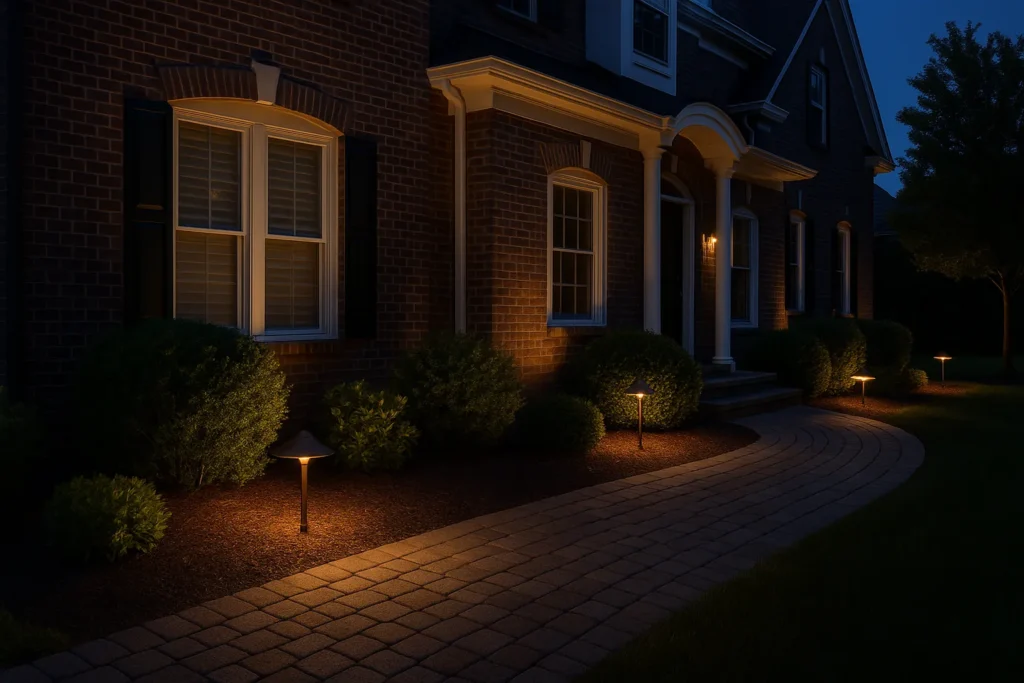 Outdoor Building
 Landscape Lighting Design for Northern Virginia Homes: A Practical Planning Guide
A practical planning guide to landscape lighting design for Northern Virginia homes: the three layers, nine core techniques, low-voltage system design, color…
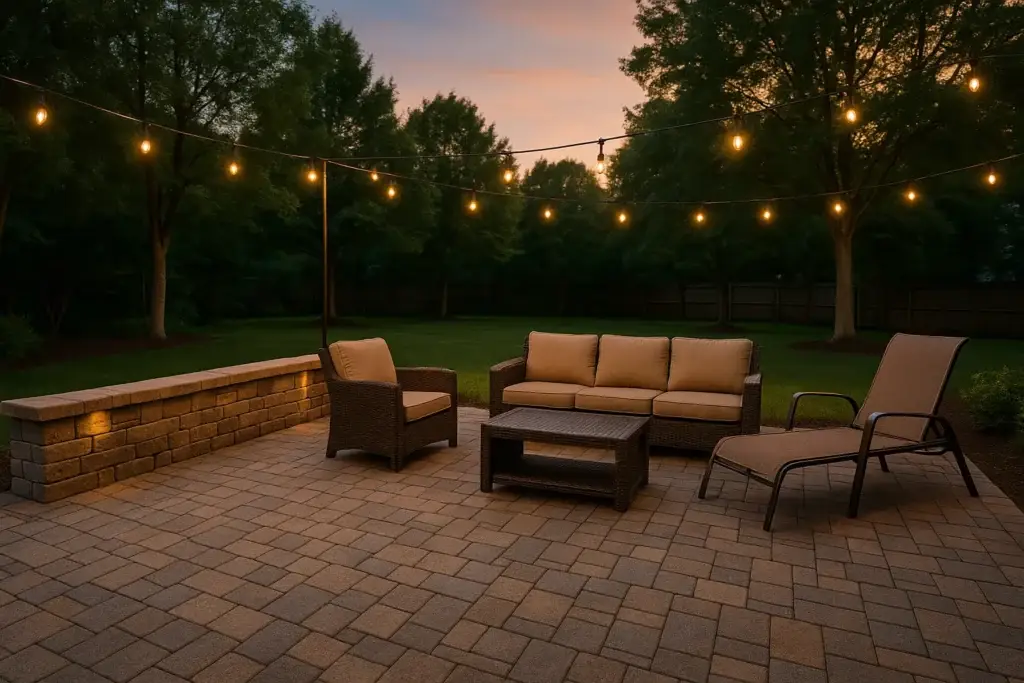 Outdoor Building
 Do You Need a Permit for a Patio, Deck, or Retaining Wall in Northern Virginia?
Do you need a permit for a patio, deck, or retaining wall in Northern Virginia? Verified Fairfax, Loudoun, and Prince William thresholds…
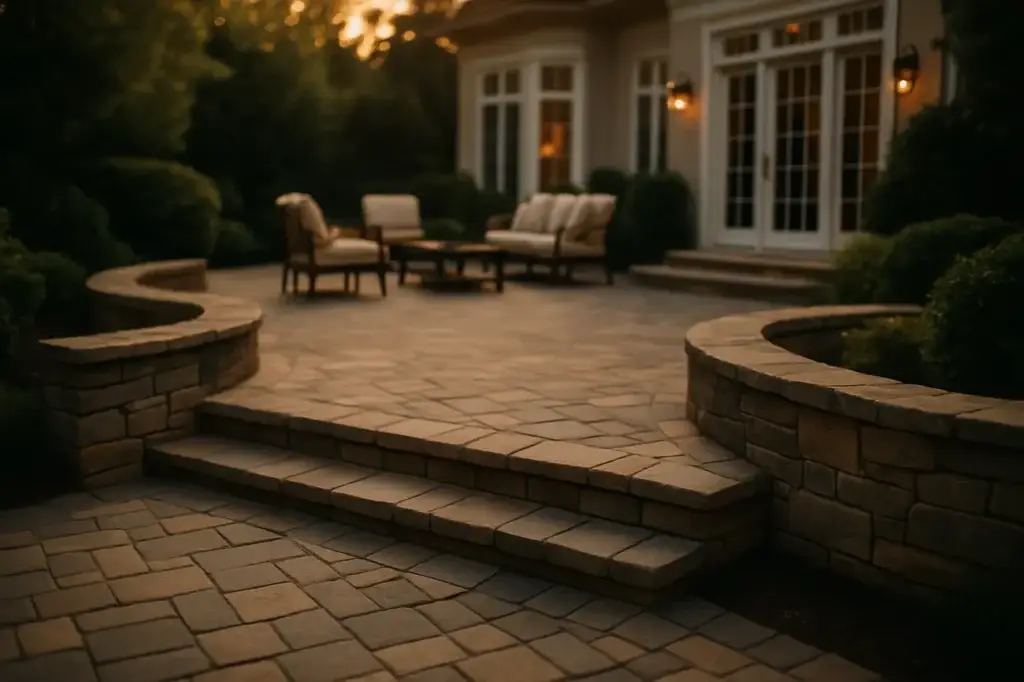 Outdoor Building
 Paver Patio Cost Factors in Northern Virginia: What Actually Moves the Number
Paver patio cost in Northern Virginia is driven by size, base engineering, material tier, and site access. Here is what raises each…
Want this handled by the crew that wrote the guide?
Veteran-owned. Licensed & insured. Free walkthroughs across Northern Virginia — quotes in 24–48 hours.
Get Your Free Estimate