
Early Spring Lawn Success Starts in Winter: What to Do Now in Northern Virginia
Early spring lawn success starts in winter. That’s not a motivational quote, it’s just how grass works. If you wait until the first warm weekend to “start lawn care,” you’re already behind. The lawns that green up fast in Fairfax, Loudoun, Arlington, Alexandria, Prince William, and Falls Church usually did a few boring things in winter that pay off big when spring wakes up.
This guide breaks down exactly what to do now, while the lawn is quiet, so you get stronger roots, quicker green-up, fewer weeds, and a lawn that actually holds up when kids, dogs, and cookouts return. And if you’d rather not guess your way through it, Lawn Theory can handle the winter prep and spring ramp-up for you, start to finish.
Why Winter Work Makes Spring Lawns Look “Effortless”
Most “spring lawn” advice is basically a to-do list for panic. Rake everything. Seed everything. Fertilize everything. Then wonder why you still have thin spots, weeds, and muddy corners.
Winter flips the script. Winter lawn work is about setting conditions, not forcing growth.
When you prep in winter, you get:
- Faster spring green-up because the lawn isn’t fighting compaction, debris, or drainage.
- Better seed success because you’re not throwing seed onto hard, crusty soil in April.
- Fewer weeds because thick turf is the best weed control.
- Less disease pressure because you’re not trapping moisture under layers of junk.
- A real plan, not a weekend gamble.
Northern Virginia lawns don’t fail in spring because homeowners don’t try. They fail because spring is too late to fix the foundation problems.
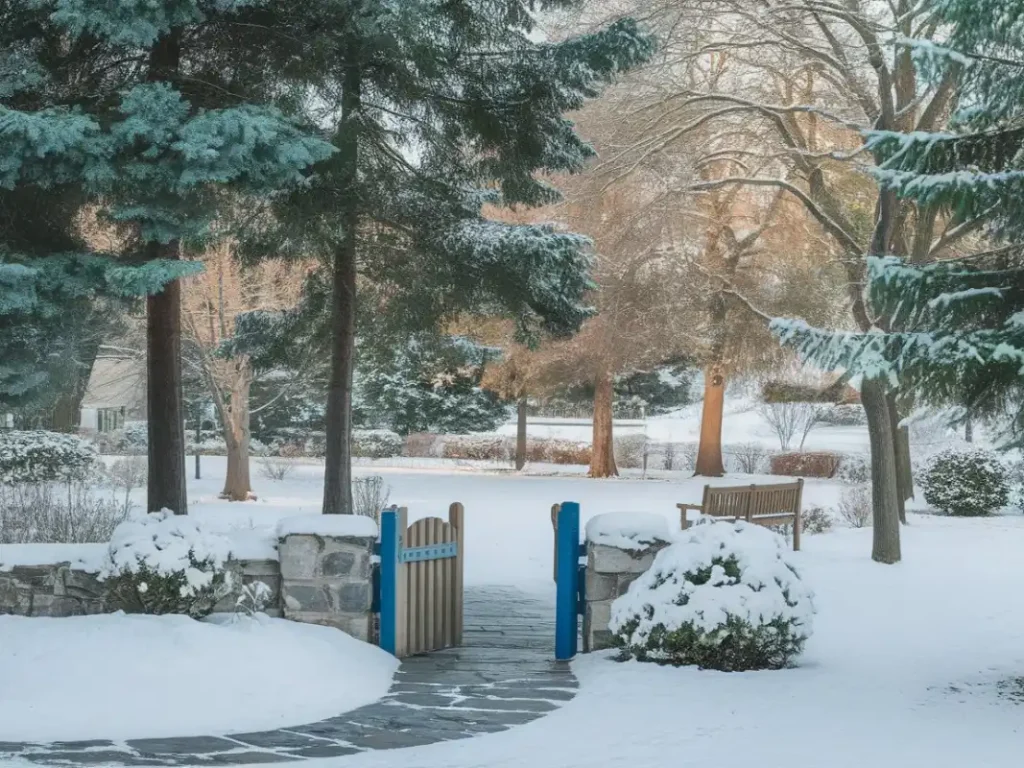
Northern Virginia Winter Lawn Reality Check: What Your Grass Is Doing Right Now
In Northern Virginia, most lawns are cool-season grasses (often tall fescue blends). In winter, the top growth slows down hard, but the lawn is still impacted by what’s happening above and below the surface.
Here’s what matters:
- Compaction still exists. Clay-heavy soils in our region do not magically loosen up.
- Water still moves (or doesn’t). Drainage problems show themselves clearly during winter rains and freeze-thaw cycles.
- Thatch still builds over time. You might not see it, but it affects spring airflow and moisture.
- Bare spots are still bare. And bare spots in winter become weed factories in spring.
So yes, the grass is “resting,” but your lawn’s future is being shaped every time it rains, freezes, melts, and gets walked on.
Your Winter Lawn Checklist for Early Spring Success
Step 1: Clear Debris Without Smothering Your Grass
If leaves and sticks sit on the lawn all winter, they trap moisture and block light. That’s how you get thin grass, patchy areas, and in some cases, snow mold-like damage when spring moisture hits.
What to do:
- Remove branches and heavy leaf mats.
- Pay extra attention to corners, fence lines, and shaded areas where debris piles up.
- Don’t scalp the lawn trying to “clean it.” Winter is not the time to stress turf.
Northern Virginia tip: In tree-heavy neighborhoods across Fairfax and Loudoun, the “last leaves” show up late. Do one more pass after the big drop, then keep an eye on windy weeks.
Step 2: Fix Drainage and Compaction Before Spring Chaos
Winter is when your lawn tells the truth. If water pools in the same spot every time it rains, you’re not imagining it. That area is a spring mud pit waiting to happen.
What to look for:
- Puddles that linger longer than a day after rain
- Muddy low spots
- Runoff trails where water cuts through turf
- Areas where grass always looks weaker
What to do now:
- Mark problem areas with a small flag or stake.
- Keep heavy foot traffic off saturated sections.
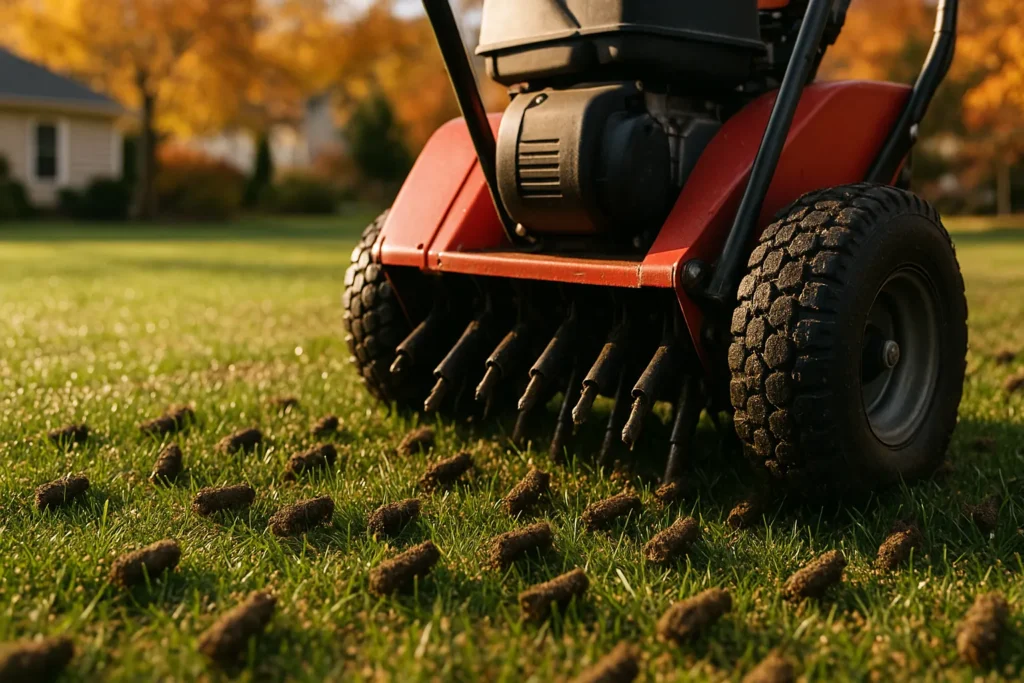
- Plan spring core aeration in compacted zones.
- If you have major grading or drainage issues, winter planning helps you schedule it before spring demand spikes.
In Arlington and Alexandria yards, space is tighter and traffic is heavier. Those lawns compact faster. Winter is the perfect time to identify where compaction is strangling your turf.
Step 3: Soil Testing in Winter: The Cheat Code Most Homeowners Skip
If you only take one thing from this article, take this: guessing your fertilizer plan is how you waste money and still get weeds.
A soil test tells you:
- pH (big deal for nutrient availability)
- nutrient deficiencies
- whether you actually need phosphorus (many lawns do not)
Why winter is ideal:
- You’re not rushed.
- You can plan amendments early.
- You avoid dumping products your soil doesn’t need.
This is especially helpful in Prince William and parts of Loudoun where soil can swing from heavy clay to rocky pockets, sometimes in the same yard.
Step 4: Dormant Seeding: The Late-Winter Move That Wins Spring
Dormant seeding is exactly what it sounds like: you spread seed in late winter when the grass isn’t actively growing, so the seed settles into the soil and germinates when conditions are right.
When it works best:
- Late winter, when freeze-thaw helps pull seed into the soil
- Areas with bare spots or thin turf
- When you want earlier spring establishment
What to do:
- Choose a seed blend that makes sense for Northern Virginia (most homeowners do best with quality cool-season options).
- Mow and clean up first if needed.
- Spread seed evenly.
- Do not bury it deeply.
- Let nature help. Early spring moisture does a lot of the work.
Important: Dormant seeding is not magic if the soil is hard as a parking lot. If compaction is severe, plan aeration and overseeding in early fall for the best long-term result, then use spring strategy to stabilize.
Step 5: Protect Your Lawn From Winter Traffic and Salt Damage
Winter lawns get wrecked by “small” things:
- the same path to the mailbox
- dogs running laps along the fence
- cars parking on frozen turf
- salt and deicer overspray from sidewalks and driveways
What to do:
- Rotate walking paths when possible.
- Keep piles of shoveled snow off grass if it contains deicer.
- Use pet-safe, lawn-friendlier deicer options near turf.
- Rinse edge areas on warmer days if salt buildup is obvious.
Falls Church and Alexandria homeowners often have smaller front lawns right next to sidewalks. Those are the lawns that get hit hardest by winter salt.
Step 6: Control Thatch Before It Becomes a Spring Problem
Thatch is that layer of dead stems and roots that builds up between grass and soil. A thin layer is normal. Too much and you get:
- poor water penetration
- shallow roots
- more disease risk
- seed that never contacts soil properly
Winter move:
- Don’t go aggressive with dethatching in the dead of winter.
- Do plan for dethatching and aeration timing based on turf condition.
- If your lawn feels spongy, that’s a strong clue.
If you’ve been fertilizing heavily without improving soil structure, thatch can creep up faster, especially in high-maintenance lawns.
Step 7: Plan Your Spring Weed Control Before Weeds Show Up
Weeds are predictable. The problem is most people start reacting after weeds are already winning.
A winter plan helps you:
- identify thin areas (weed entry points)
- decide if you need spring pre-emergent timing
- coordinate aeration, seeding, and weed control without sabotaging results
Key idea: pre-emergent timing matters. Too early wastes it. Too late misses the window. And if you plan to seed in spring, you need a strategy that doesn’t block germination.
This is where a local team like Lawn Theory helps. Northern Virginia timing is not the same as generic national advice.
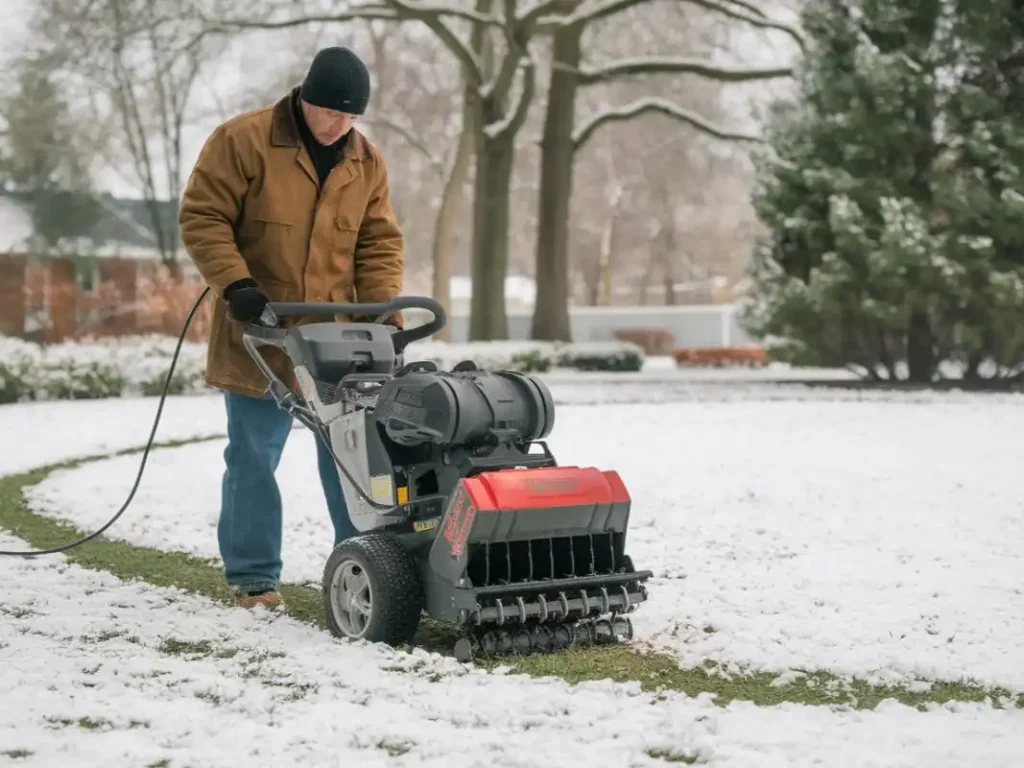
The Northern Virginia Timing Guide: What to Do in December, January, February
December: Clean, Inspect, and Stop Small Problems From Becoming Big Ones
- Remove debris and leaf mats
- Mark puddling and drainage problems
- Limit traffic on soft areas
- Make a plan for spring services before schedules fill up
January: Soil Test, Drainage Planning, and Spring Scheduling
- Pull a soil test and review results
- Plan pH corrections and soil improvements
- Identify areas needing aeration, overseeding, or dethatching
- Schedule early spring work, especially in Fairfax and Loudoun where demand ramps fast
February: Dormant Seeding and Pre-Spring Cleanup
- Dormant seed bare spots if conditions make sense
- Do a light cleanup after storms and windy weeks
- Prep for early spring gentle raking and the first mow timing
Common Winter Mistakes That Wreck Spring Lawns
Here’s what we see constantly across Northern Virginia:
- Leaving thick leaf layers until March
- Walking the same muddy route daily and compacting the soil
- “Fixing” everything with fertilizer without soil testing
- Over-raking early and tearing up new growth
- Using harsh salt products right next to turf edges
- Waiting until the first warm weekend to call for service
If you want a lawn that looks good early, you want fewer spring mistakes, not more spring effort.
How Lawn Theory Sets Up Northern Virginia Lawns for Fast Spring Green-Up
Lawn Theory isn’t a one-size-fits-all lawn crew. We look at your lawn like a system: soil, turf density, drainage, traffic patterns, and seasonal timing.
For homeowners in Fairfax, Loudoun, Arlington, Alexandria, Prince William, and Falls Church, our winter-to-spring approach typically includes:
- Lawn condition assessment (what’s actually holding your lawn back)
- Soil health guidance (so you stop guessing)
- Spring game plan (what happens first, second, third)
- Optional services coordinated the right way (so aeration, seeding, and weed control don’t fight each other)
And yes, we keep it practical. You’ll know what matters, what doesn’t, and what your next step should be.
Ready to Make Spring Easier?
Early spring lawn success starts in winter, and you don’t need to do anything wild to get there. Clean up what’s smothering your lawn, identify drainage and compaction issues, test your soil, and plan ahead so spring becomes a smooth start, not a scramble.
If you want a lawn that greens up faster, grows thicker, and stays healthier all season, Lawn Theory can help you build a winter-to-spring plan that actually fits Northern Virginia lawns. See us on Instagram & YouTube.
Call Lawn Theory at (703) 650-5655 to schedule your spring prep plan and get your lawn set up for a stronger, greener season.
Serving Fairfax, Loudoun, Arlington, Alexandria, Prince William, and Falls Church.
Keep Reading: Lawn Care
 Lawn Care
 Sprinkler System Winterization in Northern Virginia: Timing, Methods, and What Goes Wrong
Sprinkler winterization in Northern Virginia is about timing, not a fixed date. How to pick your shutdown week, how the three drainage…
 Lawn Care
 Fall Planting in Northern Virginia: Trees, Shrubs, and Mulch Done Right
Fall is the best time to plant trees and shrubs in Northern Virginia, but most failures trace to the first twenty minutes…
 Lawn Care
 The Fall Lawn Renovation Calendar for Northern Virginia: Dates, Seeding Rates, and Soil Temperature
Virginia Cooperative Extension puts the Northern Virginia seeding window at the last week of August through mid-September. Here are the exact dates,…
Want this handled by the crew that wrote the guide?
Veteran-owned. Licensed & insured. Free walkthroughs across Northern Virginia — quotes in 24–48 hours.
Get Your Free Estimate