
Home / Build & Outdoor Living / Patios & Hardscapes / Great Falls
Great Falls, Virginia
Patios & Hardscapes in Great Falls, Virginia
Most Great Falls lots sit on two-acre-minimum zoning, which sounds like plenty of room until you factor in the well, the septic field, and the long private drive our crews have to work around on every visit. We design and build paver and natural-stone patios, retaining and seat walls, and walkways sited clear of your septic and well setbacks, graded for wooded, uneven acreage, and sequenced through Fairfax County's permit process when a wall or structure requires it.
The Short Answer
Paver and natural-stone patios in Great Falls typically run $18,000–$45,000, depending on size, material, and grading, with retaining or seat walls adding to the total. A ground-level patio usually doesn't require a Fairfax County permit, but an attached wall or structure more than 16.5″ above grade does, with plan review typically running 3–5 weeks. Because most Great Falls homes run on private well and septic rather than public water and sewer, every layout starts with locating the septic field, reserve drainfield, and well setback before we design anything — we handle all of it and deliver a written, line-item quote within 24–48 hours.
What's Included
Patio & Hardscape Design, One Cohesive Plan
- On-site design consultation & site survey
- Paver, natural-stone, or stamped-concrete patio design
- Septic field, reserve area & well setbacks verified before design
- Excavation, compacted base & drainage grading
- Retaining walls, seat walls & fire pit integration
- Fairfax County permit handling where required
- Same crew from excavation to final joint sand
- Written, line-item quote within 24–48 hours
Local Knowledge
What Building a Patio in Great Falls Actually Involves
- Permits & TimingGround-level paver or stone patios usually don't need a Fairfax County building permit. Attached walls or structures more than 16.5″ above grade do, with plan review typically running 3–5 weeks — we tell you exactly which applies to your design.
- Well & Septic SitingMost Great Falls homes run on private well and septic systems rather than public water and sewer. We locate the septic field, reserve drainfield, and well setback before finalizing any patio or wall footing plan so the build never encroaches on either.
- Large, Wooded AcreageWith two-acre minimum zoning across most of Great Falls, lots in Springvale, Seneca Ridge, and Colvin Run often run wooded and uneven, which shapes both the base grading and how equipment reaches the build site.
- Limited HOA DensityMuch of Great Falls carries no HOA at all. Where newer communities like Falcon Ridge do have one, it's typically focused on private road maintenance rather than architectural review of a backyard patio — we confirm which applies before we design.
Why Homeowners Choose Us
Patios Built for Great Falls' Site Conditions
Permit Fluency
We know exactly when a Fairfax County permit is triggered on a Great Falls patio project — usually only when a wall crosses 16.5" — and handle the review from application to final inspection.
Septic & Well-Safe Siting
Septic fields, reserve drainfields, and well setbacks are mapped before design starts, not discovered mid-excavation.
Built for Wooded, Uneven Acreage
Base compaction and drainage grading are engineered to the actual soil and root systems on your two-acre-plus lot.
Licensed & Insured
Fully licensed and insured in Virginia, with workers' comp and general liability on every Great Falls job.
The Build
What a Patio Build Looks Like in Great Falls
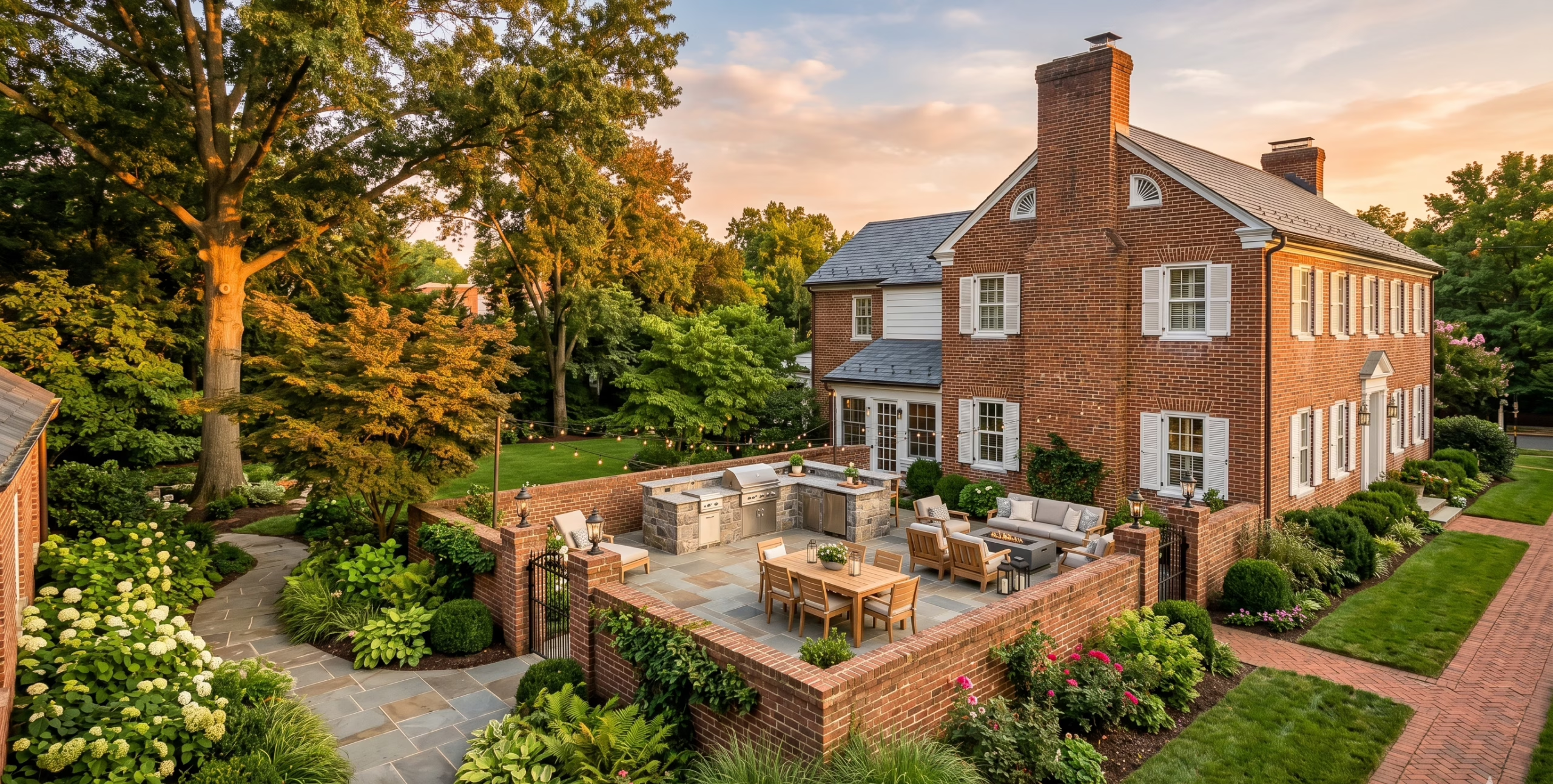
A typical Great Falls patio starts with a full excavation down to a compacted gravel base, graded to carry water away from the house and clear of the septic field and well setback, then finished in natural stone or tight-jointed pavers that hold their lines on the wooded, uneven ground common here. Where the grade drops, we tie in a seat wall or short retaining wall rather than fight the slope. We build across Great Falls from the Village Centre out to the estate lots along Georgetown Pike, Walker Road, and Springvale Road — ZIP code 22066.
What Neighbors Say
Trusted on Backyards Like Yours
“Our septic field runs along one whole side of the yard, and they laid out the entire patio and seat wall without losing an inch of usable space.”
“Getting pallets of paver stone down our long gravel drive isn't simple, but they scheduled everything so it never blocked our only way in or out.”
“No HOA to deal with out here, so it came down to the county permit process — our seat wall and patio were approved and built without a single delay.”
Explore More
Pairs Well With
Great Falls, Answered
Patios & Hardscapes FAQs
Does a patio need a building permit in Great Falls?
Usually not. Fairfax County generally requires a permit for decks and structures more than 16.5″ above grade, but a ground-level paver or natural-stone patio typically doesn't need one. A patio with an attached retaining wall or seat wall over that height does trigger review, which we flag during the walkthrough.
How do you keep a patio clear of our well and septic system?
We start with a site survey to locate the septic tank, field, reserve drainfield, and well setback before finalizing any patio layout, since most Great Falls homes run on private well and septic rather than public water and sewer. The patio, base excavation, and any footings are then designed to stay clear of all of them.
What patio materials hold up best on Great Falls' wooded, uneven lots?
Natural stone and dense concrete pavers over a compacted gravel base perform best here, since Great Falls' two-acre-minimum lots are often wooded with tree roots and uneven grade that a thin poured slab won't tolerate long-term. We grade and compact the base to the specific soil conditions on your property rather than a standard spec.
How do you get materials to the build site on a long private drive?
We walk the driveway, gate, and turnaround with you before scheduling delivery, since many Great Falls properties sit at the end of long private gravel or asphalt drives rather than standard suburban street frontage. Equipment and material staging is planned around that access so nothing sits blocking your drive for days.
What does proper base and drainage work involve for a patio here?
It means excavating to the right depth, compacting a gravel sub-base, and grading a consistent slope away from the house and any septic or well infrastructure, sized to the soil conditions on your specific lot. On Great Falls' larger, often wooded parcels, that grade can vary significantly across a single yard, so we survey before we build rather than assume a flat spec.
Can you add a retaining wall or seat wall to a Great Falls patio design?
Yes. Retaining and seat walls are common additions on Great Falls' sloped, wooded lots, and we design them as part of the same patio plan rather than a separate add-on. Walls that cross the 16.5″ threshold do require Fairfax County permit review, which we handle as part of the project.
How long does a typical patio project take in Great Falls?
A straightforward paver or natural-stone patio usually takes 1–2 weeks to build once materials are on site. Projects that require Fairfax County permit review, most often for an attached wall over 16.5″, add roughly 3–5 weeks of plan-review time before construction starts, which we build into your written quote and schedule up front.
Ready to Build Something That Lasts?
Get Your Free Great Falls Patio Quote
Tell us about your property and we'll send a written, line-item quote — usually within 24–48 hours.