
Home / Patios & Hardscapes / Clifton
Clifton, Virginia
Patios & Hardscapes in Clifton, Virginia
Clifton's wooded estate lots and historic village core call for a different kind of patio build than the rest of Fairfax County — well and septic setbacks instead of public utilities, one- to five-acre grading instead of a flat subdivision yard, and, near the village, a historic district Architectural Review Board on top of the county permit. We design and build paver, natural stone, and stamped concrete patios and hardscapes around all of it.
The Short Answer
Paver and natural stone patios around Clifton start at $9,500 — final price depends on size, material, and grading, with retaining walls and seat walls priced separately. Ground-level patios usually don't need a Fairfax County building permit, but any hardscape visible from the street inside Clifton's historic village core still needs a Certificate of Appropriateness from the Town's Architectural Review Board before work starts. Most Clifton-area homes run on private well and septic, so every patio and wall footing is planned around drain field and wellhead setbacks. We deliver a written, line-item quote within 24–48 hours.
- $9,500paver patios, starting at
- 1–3 weekstypical build, excavation to joint sand
- Engineered basecompacted for NoVA clay and freeze–thaw
- 24–48hwritten, line-item quote
What's Included
Patio & Hardscape Build, Start to Finish
- On-site design consultation & drainage assessment
- Paver, natural stone, or stamped concrete patio design
- Retaining & seat walls engineered for sloped, wooded lots
- Historic district ARB sequencing handled for visible hardscapes
- Footings & drainage engineered around well & septic setbacks
- Full excavation, base prep & compaction for your soil
- Same crew from layout to final joint sand
- Written, line-item quote within 24–48 hours
Local Knowledge
What Building a Patio in Clifton Actually Involves
- Permits & TimingGround-level paver and stone patios usually don't require a Fairfax County building permit; retaining walls over a certain height and any raised structure do, with plan review typically running 3–5 weeks. We confirm exactly which applies to your project before we design it.
- Historic District Architectural ReviewClifton's village core is listed on the Virginia Landmarks Register and the National Register of Historic Places. A patio, wall, or path visible from the street inside the historic district needs a Certificate of Appropriateness from the Town's Architectural Review Board — we run that alongside any county permit.
- Well & Septic SitingMost Clifton-area homes run on private well and septic rather than public utilities. Patio footings, base excavation, and grading all have to clear drain field and wellhead setbacks — we confirm your system's layout before finalizing the design.
- Large-Lot, Rural TerrainEstate lots of one to five acres with mature hardwoods and, in some cases, horse pasture are common around Clifton — that means more grading, drainage planning, and equipment-access work than a typical suburban patio job.
Why Homeowners Choose Us
Patios Built to Last on Clifton Ground
Historic District & County Permit Fluency
We handle the Town of Clifton's Architectural Review Board process and any Fairfax County permit together, not as an afterthought.
Built for Well, Septic & Large Lots
Drain field setbacks, well easements, and multi-acre grading are designed in from the start, not discovered mid-build.
Engineered Base & Drainage
Compacted sub-base and proper slope keep your patio from heaving or pooling through Clifton's clay soil and seasons.
Licensed & Insured
Fully licensed and insured in Virginia, with workers' comp and general liability on every Clifton-area job.
Areas We Serve
Patios & Hardscapes — Areas We Serve in Clifton
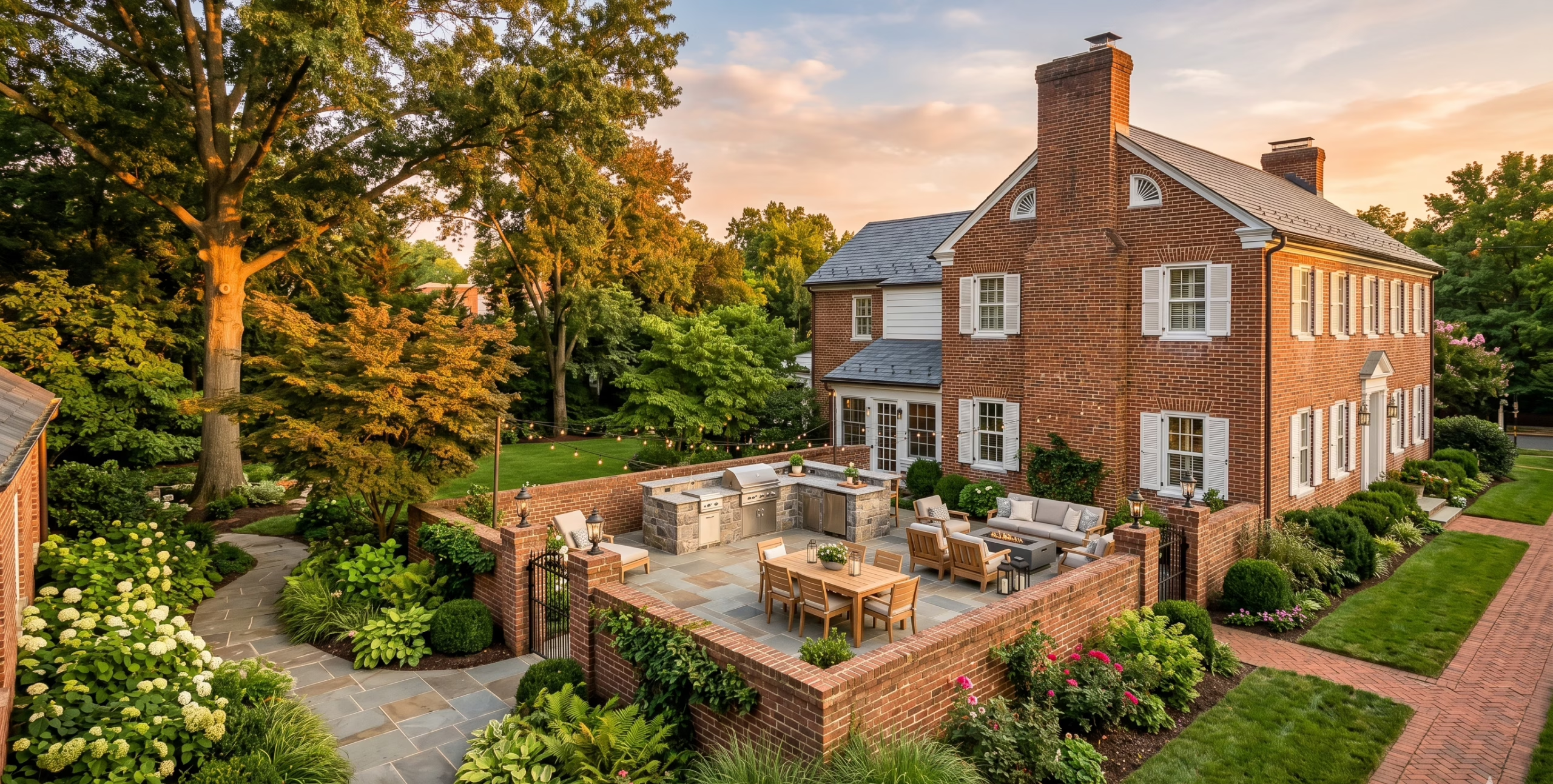
A typical Clifton patio project starts with a paver or natural stone surface set on a compacted, engineered base, sloped away from the house and any nearby septic field. On sloped or wooded lots we add a retaining or seat wall to hold the grade, then tie in a stone or paver walkway to connect the patio back to the driveway or house. Every joint line is set tight and square, and every drainage path is planned before the first paver goes down. We build across the historic village and the surrounding estate neighborhoods, from Little Rocky Run and Union Mill Estates to the acreage near Wolf Run Shoals. ZIP code 20124 covers Clifton and the surrounding area.
What Neighbors Say
Trusted on Patios Like Yours
“We're on well and septic and worried a patio would mean digging up the drain field. Lawn Theory mapped the whole system first and built right around it — zero issues.”
“Our lot is inside the historic district, so we expected a fight over the paver design. They handled the Certificate of Appropriateness submission and it was approved on the first pass.”
“Sloped, wooded five acres and they still got the retaining wall and patio level and square. A year later there's no settling, no shifting pavers, nothing.”
Explore More
Pairs Well With
Clifton, Answered
Patios & Hardscapes FAQs
Does a paver or natural stone patio need a permit in Clifton, or just the county process?
Usually just the county process, and often not even that. Fairfax County generally doesn't require a building permit for a ground-level paver or stone patio, though taller retaining walls and raised structures do. Anything visible from the street inside Clifton's historic village core also needs a Certificate of Appropriateness from the Town's Architectural Review Board, which we flag during the site walkthrough.
We're on well and septic — can a patio or retaining wall be installed without disturbing our drain field?
Yes. We locate your well, septic tank, and drain field before we design anything, then keep excavation, footings, and grading clear of those areas and any required setbacks. It's mapped into the plan from day one, not adjusted after digging starts.
Does the Town of Clifton's Architectural Review Board review patios and retaining walls inside the historic village?
Yes, if the work is visible from the street. The ARB reviews materials, scale, and visibility for anything in the historic district, including hardscapes. We design to those standards up front and prepare the Certificate of Appropriateness submission, so the layout rarely has to change afterward.
What does a properly engineered base mean for a patio built on a large Clifton lot?
It means a compacted gravel sub-base sized to your soil, a drainage slope carrying water away from the house and any septic field, and edge restraints that keep pavers from shifting. On Clifton's clay-heavy, often sloped acreage, skipping this step is the most common reason patios heave or settle within a year or two.
Can you build retaining walls and seat walls on sloped or wooded Clifton properties?
Yes. Many Clifton lots have real grade change and mature tree cover, so we design retaining and seat walls to hold that slope, manage drainage behind the wall, and work around root zones, then tie the patio surface into the finished grade.
How long does a typical patio or hardscape project take from design to completion in Clifton?
Most patio projects run 2–4 weeks on site once materials arrive, depending on size, wall work, and access across a large lot. Anything requiring historic district ARB approval adds review time up front, which we build into your schedule before work begins.
What patio materials hold up best on Clifton's clay soil and large wooded lots?
Paver systems with a properly compacted base tend to perform best, since individual units can be reset if the ground shifts. Natural stone offers a look that fits the historic village aesthetic, while stamped concrete is a lower-cost option for flatter, less wooded sections of a property. We recommend based on your specific soil, grade, and drainage.
Ready to Build Something That Lasts?
Get Your Free Clifton Patio Quote
Tell us about your property and we'll send a written, line-item quote — usually within 24–48 hours.
Planning Patios Hardscapes Clifton in this area? Confirm any permit or HOA requirements with Fairfax County before Patios Hardscapes Clifton begins.
Patios Hardscapes Clifton: What to Expect
When you book Patios Hardscapes Clifton, every job starts with a clear, written scope -- no surprise add-ons once work begins. We show up on schedule, protect the surrounding property, and walk the finished work with you before we call it done.
Patios Hardscapes Clifton from Lawn Theory means a dedicated local crew, upfront pricing, and a final walkthrough before we call the job done -- the same standard behind every Patios Hardscapes Clifton project we take on.
Ready for Patios Hardscapes Clifton? Call or text (703) 650-5655 for a free quote today.
Patios Hardscapes Clifton backed by our veteran-owned, licensed & insured guarantee.